
Share This Article
Multigenerational travel has become a dominant global trend, with safaris uniquely capable of dissolving age gaps and uniting everyone from toddlers to grandparents in shared awe.
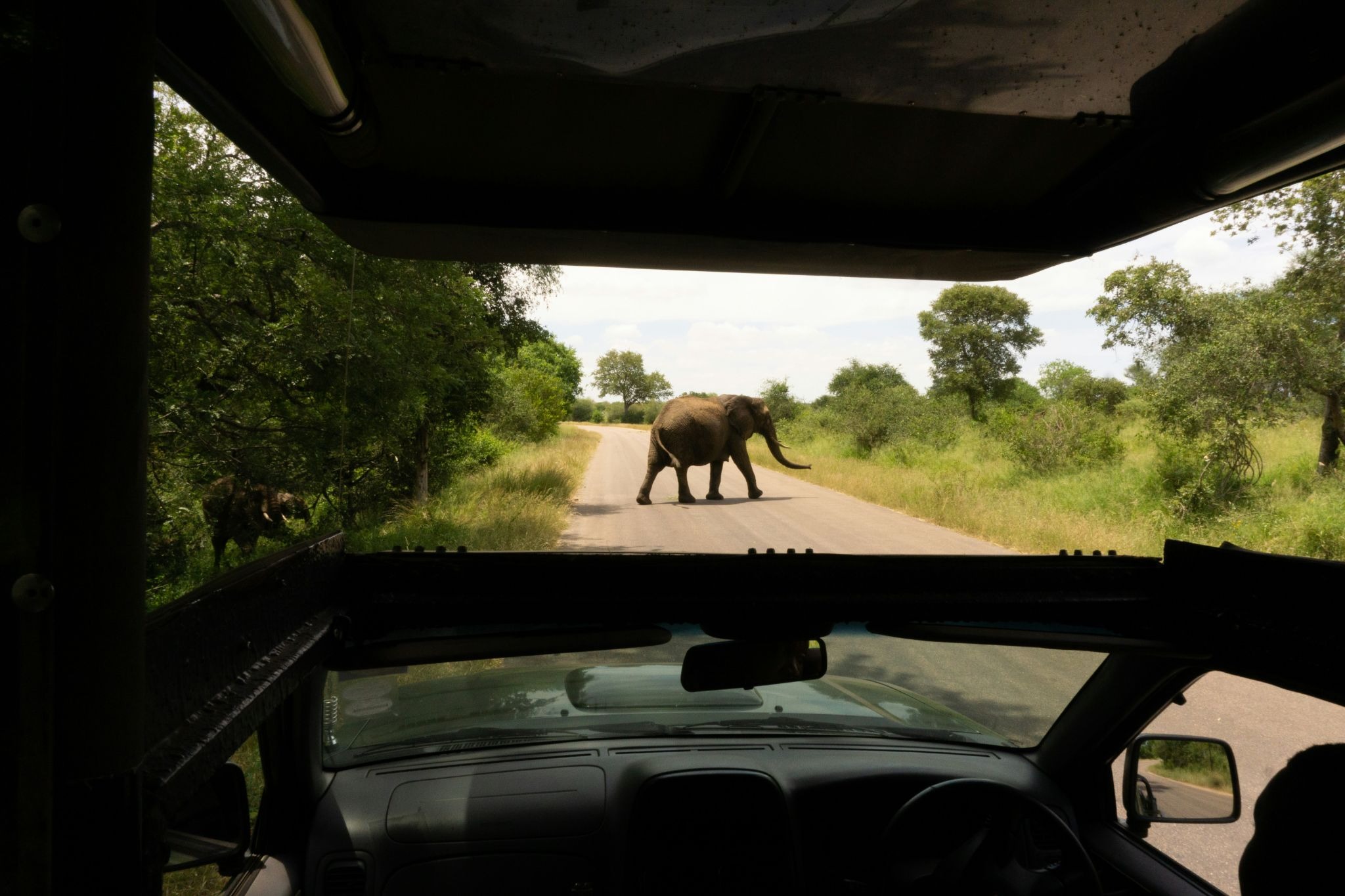
There is a moment that happens on almost every family game drive. A grandfather who has seen fifty years of bushveld dawns leans forward at exactly the same instant as his six-year-old granddaughter, both silenced by a lioness stepping out of the tawny grass. At that moment, the sixty years between them simply vanish.
It is this alchemy – the ability to hold three or four generations in the same state of wonder – that has made the safari holiday the great unifier of South African family travel. And according to the global travel industry, the rest of the world has caught on to what we have known all along.
Multigenerational travel is now one of the defining trends of 2026. Campspot’s 2026 travel research found that 85% of families are planning multigenerational trips, with a desire for connection cited as the driving force, while UK travel specialists report a 142% surge in search interest for multigenerational holidays over the past four years – and a 67% year-on-year jump in bookings for extended family groups of six or more. Around the world, families are choosing to spend their holidays together, across the generations, under one roof.
The science backs the sentiment. A landmark study by the UK’s Family Holiday Association found that 49% of adults name a family holiday as their single happiest memory, with a quarter saying they actively draw on those memories to carry them through difficult times. Child psychotherapist Dr Margot Sunderland calls these ‘happiness anchors’ – and argues that a shared family adventure does more for a child’s development and security than any material gift ever could.
Anyone who has attempted one knows, of course, that the family holiday comes with its hazards. Different generations travel at different speeds: teenagers glaze over at museums, toddlers melt down in queues, grandparents tire of walking, and parents arrive home needing a holiday to recover from organising the holiday. Add crowded attractions, over-packed itineraries and the eternal tug-of-war over screen time, and a trip meant to bring everyone together can leave everyone fraying at the edges.
If a family holiday is an anchor, then for generations of South Africans, the anchor that holds – and quiets all of the above – has been dropped in one place above all others: the Kruger National Park.
There is a reason the Kruger has remained the country’s favourite family pilgrimage for a century. It asks nothing of you – no itinerary anxiety, no queues, no Wi-Fi negotiations – and gives everything back. The bush works on families in a way few destinations can: phones go down because the real world outside the window is suddenly more interesting than the one on the screen. Conversations happen in the unhurried hours between sightings. Children learn patience waiting at a waterhole; teenagers rediscover awe; grandparents become storytellers again, because they remember when the roads were dirt and the rest camps ran on lamplight.
“The Kruger is woven into the South African family story,” says Miguel Farinha, General Manager of Kruger Gate Hotel, which sits just 100 metres from the Paul Kruger Gate, on the banks of the Sabie River. “Almost every guest who walks through our doors has a Kruger memory – a trip with their parents, a honeymoon, a December tradition. What we see now is those same guests returning with their own children and their own parents. Three generations arriving in one booking has become one of the most common reservations we take.”
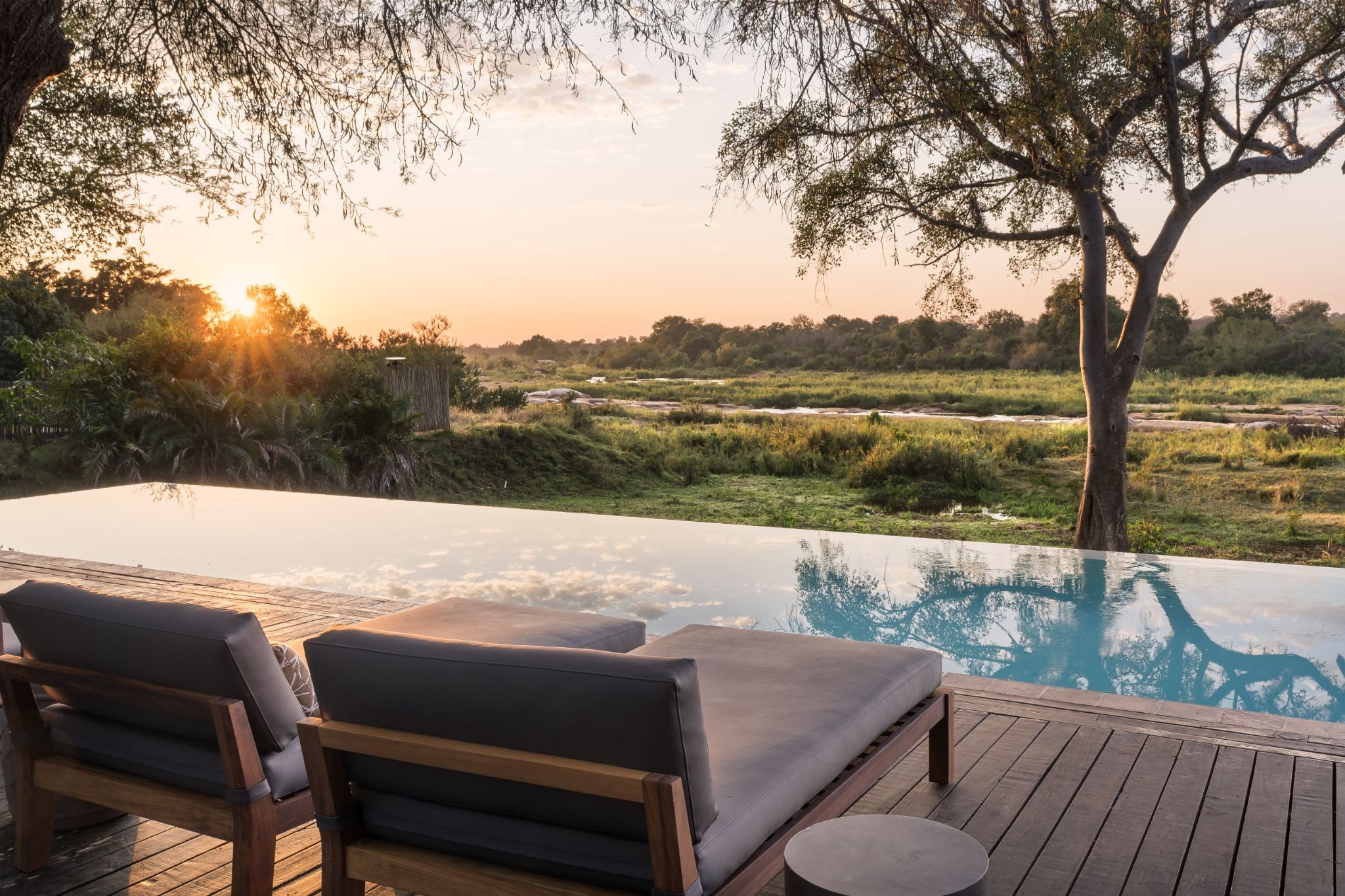
It helps that the hotel has quietly become one of the most multigenerational-friendly bases in the Lowveld. Perched in the treetops of the riverine forest, it offers the things families appreciate – air conditioning, a spa, an infinity pool overlooking the bush, and no long transfers after an early game drive.
For families who want space and independence, the hotel’s newly revamped self-catering chalets sleep up to six, with full kitchens, lounges and private braai areas – the freedom of a family bush house, minutes from the gate, with the hotel’s pools, restaurants and game drives on tap.
“Families holiday at different rhythms, and we have designed for that,” says Farinha. “Grandparents can take the morning drive while parents sleep in and the children are in the pool. Then everyone comes back together in the evening – and that is where the magic happens.”
The coming back together, fittingly, happens around food. Afternoons drift into wood-fired pizza on the wooden deck as elephants move along the river below. Evenings mean fun family dinners in the boma, where the firelight, drumbeats and a canopy of Lowveld stars turn supper into theatre, or generous buffets with something for every taste-– from the adventurous grandfather determined to try venison to the seven-year-old who will only ever want chips.
And then there are the moments no itinerary can plan – the ones families laugh about for decades. The hippo that surfaces mid-sundowner and steals the show. The first time a child spots an animal before the guide does, and glows for the rest of the day. Card games by lamplight, fierce family debates over who braais best, and the inside jokes born in the back row of a game vehicle that will still be retold at Christmas tables thirty years from now. The bush produces these small, unscripted joys daily – and they are the ones that last.
“A safari gives a family something no beach or city break can,” Farinha reflects. “It gives them the same experience at the same moment. When a leopard crosses the road, nobody in the vehicle is too old or too young for it. That shared wonder is what families are really booking when they come here. The wildlife is simply the storyteller.”
In an age when families are scattered across cities, screens and time zones, perhaps that is the real luxury on offer in the bush: not thread counts or tasting menus, but a lioness in the grass, a fire in the boma, and everyone you love watching the same sunset – making the memory that, decades from now, someone will call their happiest.