
Share This Article
Capsicum Culinary Studio’s Chef John Mathi suggests swapping the turkey and ham for coconut rice and lamb curry this festive season
If you are looking to add a unique twist to your holiday feast this year, consider the tropical flavours of coconut rice and lamb curry. They promise not just a meal, but an experience steeped in history, tradition, and the unmistakable zest of South India where Christmas celebrations are as vibrant and flavourful as the region’s rich culinary heritage. While many across the globe associate Christmas feasts with roast turkey and cranberry sauce or glazed ham, eggnog and fruit pudding, the tropical regions of South India have their own festive favourites that bring warmth, nostalgia, and community to the holiday table. Among these, coconut rice and lamb curry stand out as quintessential dishes, carrying both cultural and culinary significance.
South India’s cuisine is deeply influenced by its tropical climate, where coconuts sway gently in coastal breezes and fragrant spices thrive. For centuries, these ingredients have shaped the food culture of the region. During Christmas, this tradition merges with the festive spirit, creating dishes that are a harmonious blend of local flavours and celebratory richness.
Coconut rice, with its creamy texture and subtle sweetness, is a crowd favourite. Made with freshly grated coconut, aromatic curry leaves, and a tempering of mustard seeds, it embodies the tropical essence of South India. Its simplicity belies its depth of flavour, making it a perfect accompaniment to more robust dishes like lamb curry.
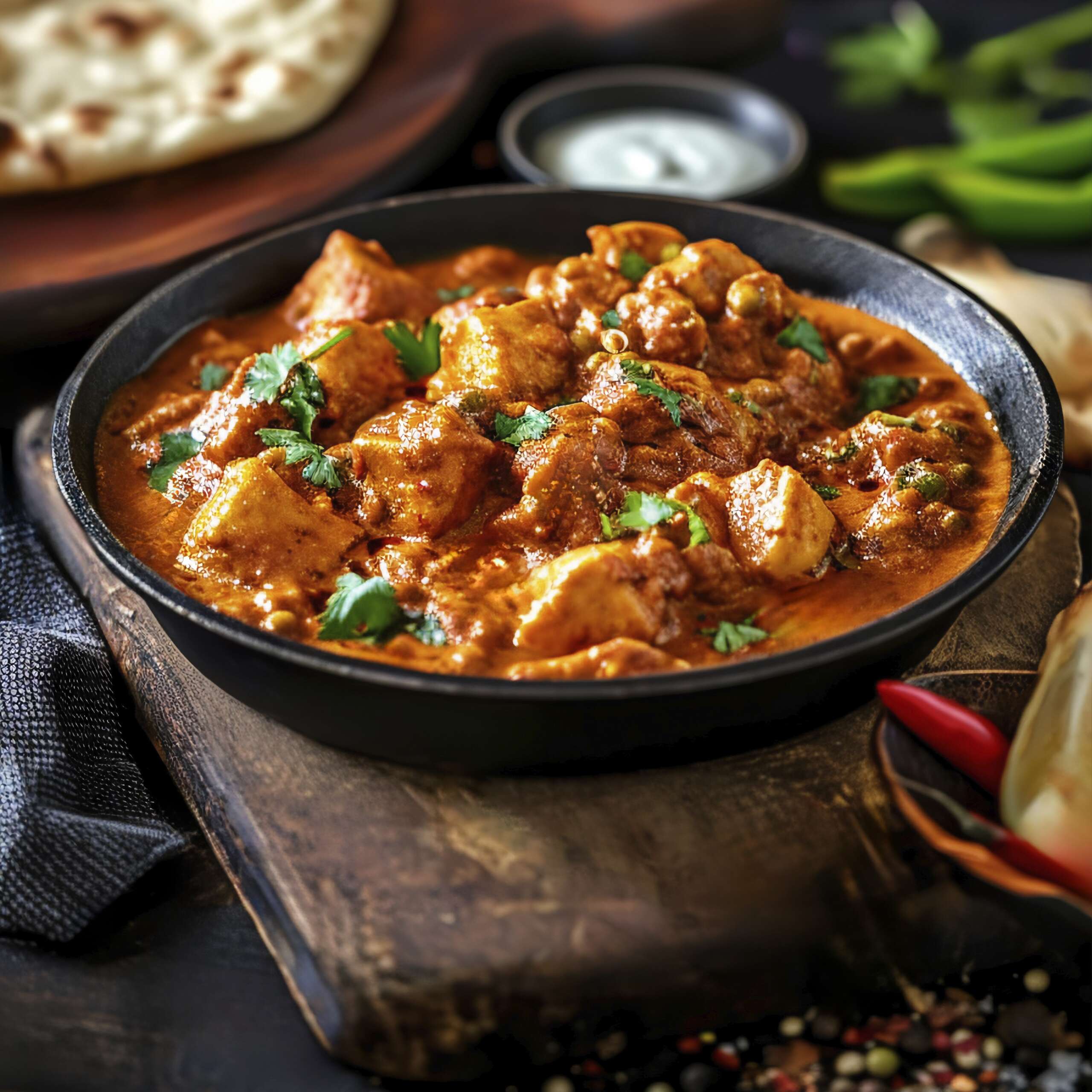
Lamb curry, on the other hand, is a dish of indulgence. Slow cooked to perfection with a medley of spices cinnamon, cloves, cardamom, and Cumin, reflects the region’s mastery of balancing bold flavours. The tender lamb, infused with a spicy, coconut milk-based gravy, is a celebration of South India’s love for blending heat and richness.
For many South Indian Christians, the Christmas meal is more than just a feast; it is a spiritual and communal act. Families gather to prepare these dishes, with each member contributing to the process of grating coconuts, grinding spices, and stirring pots. The aroma wafting through homes signals the joy of the season, while the food itself symbolizes abundance and gratitude.
Coconut rice and lamb curry hold particular significance as they represent the blending of cultures and traditions. The coconut is not only a culinary staple but also a symbol of purity and prosperity, while lamb reflects a more universal nod to festivity and celebration, often linked to Biblical symbolism. Together, these dishes embody a harmonious fusion of local identity and global faith.
For South Indians living abroad, recreating these dishes during Christmas is a way to reconnect with their roots. In bustling kitchens from London to New York, the clatter of ladles and the sizzling of spices transport them back to their hometowns, where Christmas was celebrated with friends, family, and the familiar comfort of home-cooked meals.
Coconut rice and lamb curry are more than just festive dishes, they are a bridge between generations, a celebration of cultural identity, and a testament to the tropical spirit of South India. This Christmas, as these dishes grace dining tables, they bring with them the warmth of the tropics and the universal joy of the holiday season.
So, if you’re looking to add a unique twist to your holiday feast, consider the tropical flavours of coconut rice and lamb curry. They promise not just a meal, but an experience steeped in history, tradition, and the unmistakable zest of South India.

Coconut Rice
South Indian Lamb Curry
Chef John Mathi is a lecturer at Capsicum Culinary Studio’s Rosebank campus in Johannesburg