
Share This Article
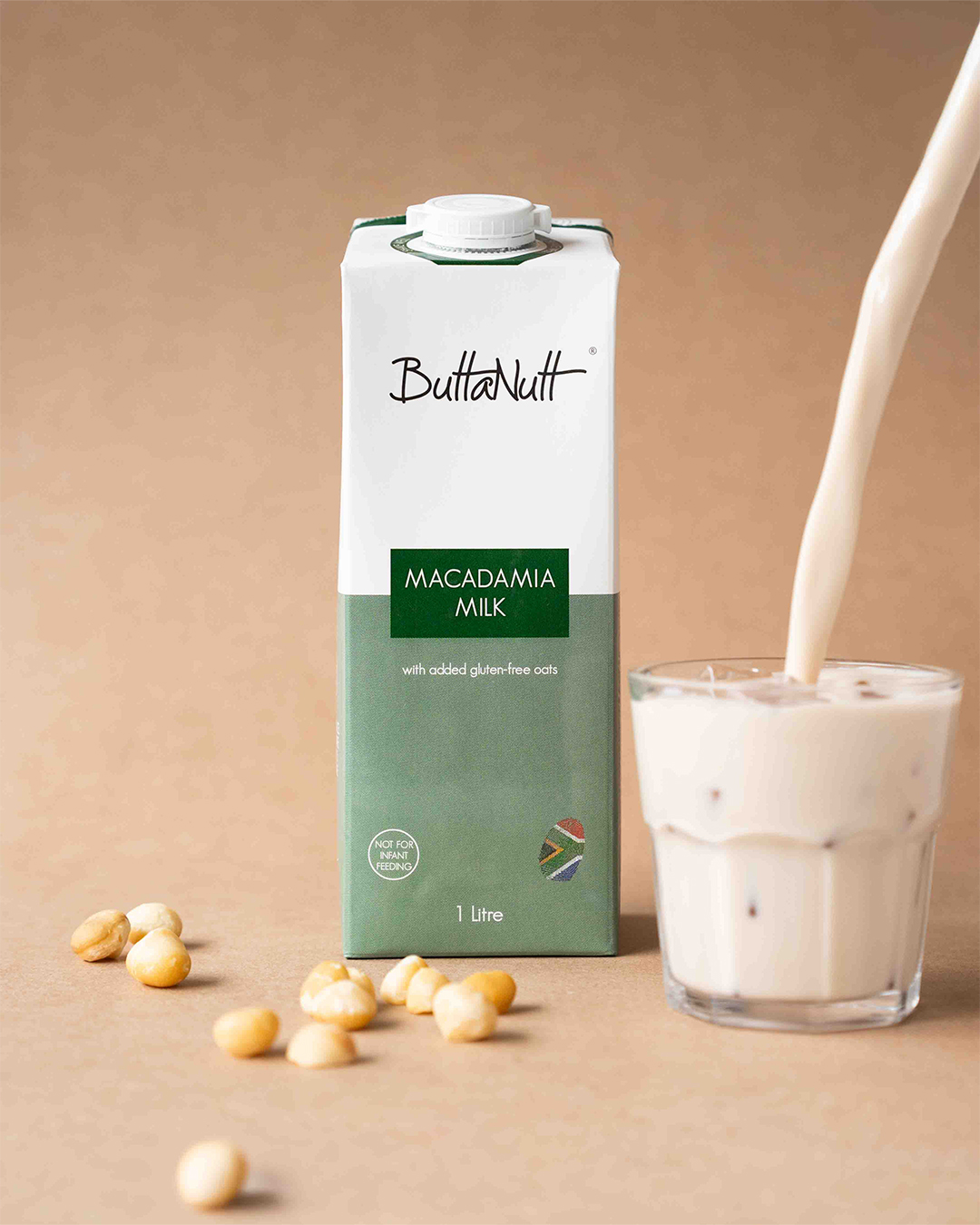
South Africa has a macadamia story most shoppers know only in part. For more than a century, that story has centred on premium whole nuts grown for export, with around 95% of the crop still shipped abroad. Now that same locally grown nut is moving from export bags into home fridges as milk. What is new is how quickly local consumers are embracing macadamia milk in their daily coffee, smoothies, and cereal bowls, because it delivers a naturally creamy, barista-friendly texture without dairy while fitting into low-sugar and plant-based lifestyles.
Macadamias are native to Australia, but their South African roots go back more than a century. Trees were recorded in the Durban Botanical Gardens as early as 1915, while commercial activity began to build from the 1930s. By the 1960s, production had expanded more significantly, helped by local growing knowledge and cultivars suited to subtropical conditions.
Today, South Africa is one of the world’s leading macadamia producers, with a 2025 crop of just over 95 500 tonnes accounting for over 30% of the world’s supply. It is also an overwhelmingly export-driven crop, with around 95% to 98% of local production sold into international markets.
Why the surge? Health and taste are driving it. Macadamia nuts are rich in monounsaturated fats that support heart health, and their milk is naturally low in carbohydrates, with unsweetened versions containing approximately two grams of carbs per cup. In milk form, it is low in sugar, lactose-free, and offers a silky mouthfeel that works in coffee without overpowering flavour, a combination consumers find indulgent yet light.
In South Africa’s plant-based dairy category, the plant-based milk segment is currently estimated at R 435 million, growing at 10% annually. That growth is being fuelled by shoppers actively seeking local origin, lower sugar, and everyday versatility. Part of that shift is Paarl-based ButtaNutt, which has moved macadamias from a premium snack to an everyday milk staple.
“Macadamias have always carried a premium association, but what is exciting now is seeing them become part of daily routines,” says ButtaNutt Founder and CEO, Antoine van Heerden. “South Africa grows a world-class macadamia crop. In milk form, it becomes something people can use every morning, whether that is in coffee, smoothies, cereal, or cooking. That is where local agriculture becomes part of a practical consumer choice.”
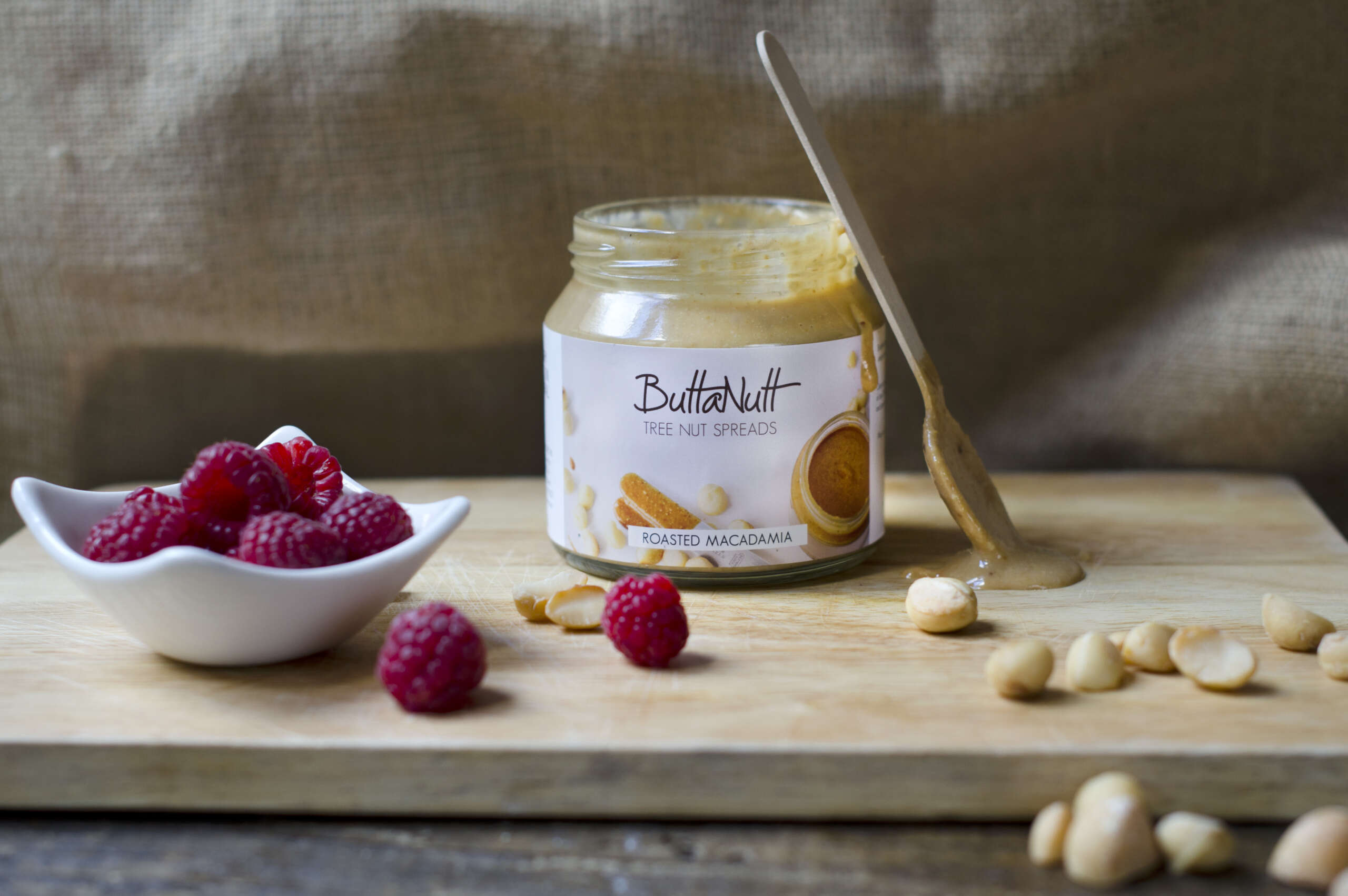
ButtaNutt’s relationship with macadamias started before its dairy-free milk range. Van Heerden grew up around macadamia farming and began roasting and blending nut butters while studying at Stellenbosch University. Founded in 2013, the business started with macadamia nut butter and later expanded into plant-based milks. According to van Heerden, the business has seen plant milk volumes climb by triple digits year on year since adding the category.
Macadamia’s appeal in this category is partly functional. It has a naturally creamy texture and mild flavour, which makes it suitable for coffee and everyday recipes without dominating taste. Unsweetened macadamia milk can also be a low-sugar, low-carbohydrate option, and, as with many plant-based dairy alternatives, fortified products remain important for nutrients such as calcium and vitamin B12.
The opportunity is not to position macadamia milk as another quality option in a more varied food landscape. If shoppers are looking for local origin, plant-based choice and considered consumption, macadamia offers a South African leg to its story.
“People want products that feel connected to where they live and how they shop,” says van Heerden. “Macadamia milk gives consumers a high-quality, locally relevant alternative with a supply story they can resonate with.”
Once seen mainly as an export success or premium nut, macadamia is increasingly becoming a South African dairy alternative with everyday relevance. Building on the triple-digit year-on-year growth ButtaNutt has seen since launching its plant milks, the focus now is on keeping more of the country’s world-leading crop in local cartons, scaling production in Paarl, widening retail distribution, and making macadamia milk a household staple rather than just an export commodity.