
Share This Article
South Africans have had an early reminder of the weather summer can bring. Last week, the South African Weather Service warned of extreme heat in KwaZulu-Natal and severe thunderstorms in the Eastern Cape. Its seasonal outlook suggests hotter, drier months ahead for much of the country. But the temperature outside doesn’t tell you everything about how comfortable your home will feel.
“When someone says their house is too hot, I want to know which room and when,” says Trevor Brewer, Director at Consumer Technology Specialists, Solenco. “A room that traps afternoon heat needs a different solution to one that feels hot and humid. Understanding the cause is the first step.”
Brewer shares seven practical ways to keep homes comfortable as temperatures rise.
1. Get ahead of the afternoon sun
Close curtains or blinds before direct sunlight heats up a room. When temperatures drop outside, open windows to release warm air, provided it is cooler outdoors.
2. Think airflow, not fan speed
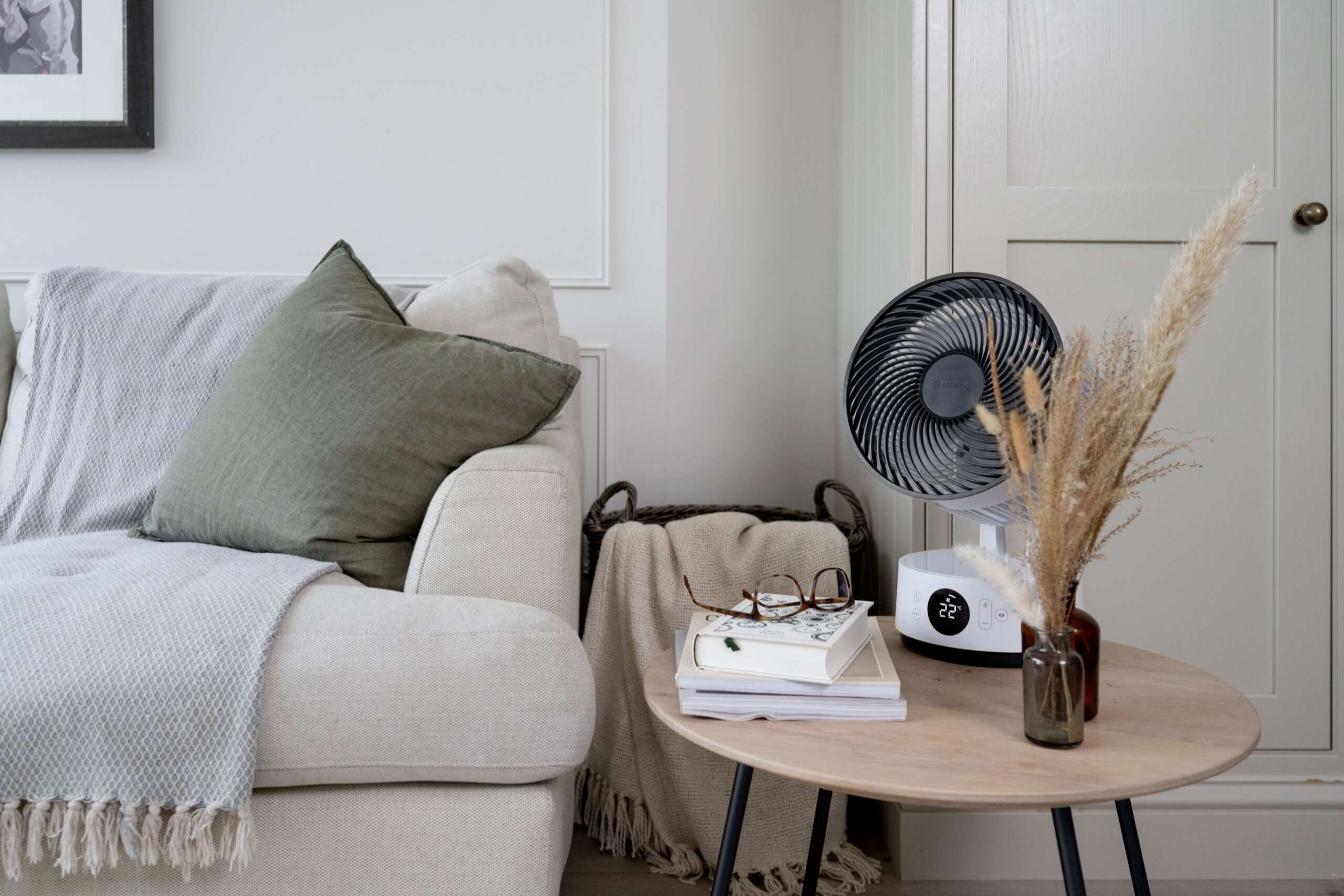
Unlike conventional fans that direct airflow towards a person, air circulators are designed to move air throughout a room. Models with multidirectional oscillation distribute airflow more widely, reducing pockets of stagnant air. Placement matters too. When evening temperatures drop, positioning an air circulator near an open window can help draw cooler outdoor air inside and distribute it throughout the room. it can also help push trapped warm air outside.
3. Retire the winter duvet
Swap heavy bedding for breathable cotton sheets and lighter covers. For overnight comfort, look for an air circulator with quiet operation. Certain models offer particularly low noise levels (decibels) and energy-efficient operation, allowing for continuous air movement without the disturbance or running costs associated with some conventional fans.
4. Deal with the stickiness
High humidity makes it harder for sweat to evaporate, increasing discomfort. Use extractor fans and ventilate when outdoor air is less humid. If excess moisture persists, a dehumidifier can help remove it; a fan improves comfort by moving air. The two serve different purposes.
5. Don’t assume every home needs less moisture
In dry areas, including parts of the Karoo, indoor air can leave eyes and skin feeling irritated. A cool-mist humidifier may help by adding moisture. Models with adjustable humidity settings offer greater control, with 40–60% relative humidity a useful general guide.
6. Let dry air work in your favour
An evaporative air cooler draws warm air through water-saturated cooling pads, where evaporation removes heat before a blower distributes the cooled air. Unlike a conventional fan, it can lower the temperature of the air it delivers. This makes it particularly effective in hot, dry conditions, while its low electricity consumption offers an energy-efficient alternative to refrigerant-based air conditioning for suitable spaces.
7. Check for trouble after a storm
Clear leaves and debris from gutters and drains before summer storms. Blockages can cause overflowing water or pooling around the property. After heavy rain, check windows and ceilings for damp patches or leaks. Fix the source of water before using a dehumidifier to manage remaining indoor moisture.
“Most homes have that one room that seems to suffer more than the rest in summer,” says Brewer. “But the answer isn’t always more cooling. Sometimes it’s about improving air circulation, managing humidity or making better use of cooler outdoor air. Start with the problem you’re trying to solve, rather than trying to cool the whole house in one go.”