
Share This Article
Dr. Carra Walters Breaks Down the Dangers of Overfeeding And What You Can Do Instead
We get it. Those big eyes. That hopeful stare. That tail wag or soft purr that says, “Just a little more, please.” As pet owners, we’ve all given in. Whether it’s a few extra biscuits, scraps from the dinner table, or topping up their bowl “just in case,” it feels like love.
But according to Dr. Carra Walters, consulting veterinarian for Ultra Pet, overfeeding is one of the most common and dangerous mistakes we make with our pets. And it’s not just about the number on the scale.
“Overfeeding can lead to serious health problems like arthritis, diabetes, liver disease, and heart issues,” says Dr. Carra. “We don’t mean to cause harm, but many pet owners are feeding more than their pets actually need.”
The Silent Epidemic: Pet Obesity in South Africa
More than half of South Africa’s dogs and cats are now overweight or obese. That’s a staggering statistic and a wake-up call. With extra weight comes extra risk, especially as pets age. Their joints ache more, energy drops, and medical bills climb.
So, how does it happen?
“It usually starts with love,” says Dr. Carra. “We give treats to show affection. We eyeball portions instead of measuring. We let pets graze all day. And before we know it, those bad habits add up.”
Winter: A Sneaky Culprit
When it’s cold outside, we tend to hibernate, and so do our pets. Less movement plus the same amount of food (or more) is a recipe for weight gain.
“Movement is medicine,” Dr. Carra emphasises. “Even short walks, indoor play, or gentle games can help maintain muscle tone and keep pets mentally stimulated.”
Dr. Carra’s Smart Tips to Keep Pets Fit (and Happy!)
You don’t have to overhaul your entire routine to make a big difference. Small changes add up, and Dr. Carra’s here to help with easy, vet-approved strategies:
- Make meals more interesting: Use puzzle bowls or slow feeders to encourage slower eating and better digestion. It’s dinner and enrichment.
- Choose smarter treats: Swap calorie-packed snacks for lower-calorie options, or use a portion of your pet’s regular food as a treat.
- Keep it moving: Indoor games, hallway fetch, scent-based hide-and-seek, or even training tricks are all great low-impact options.
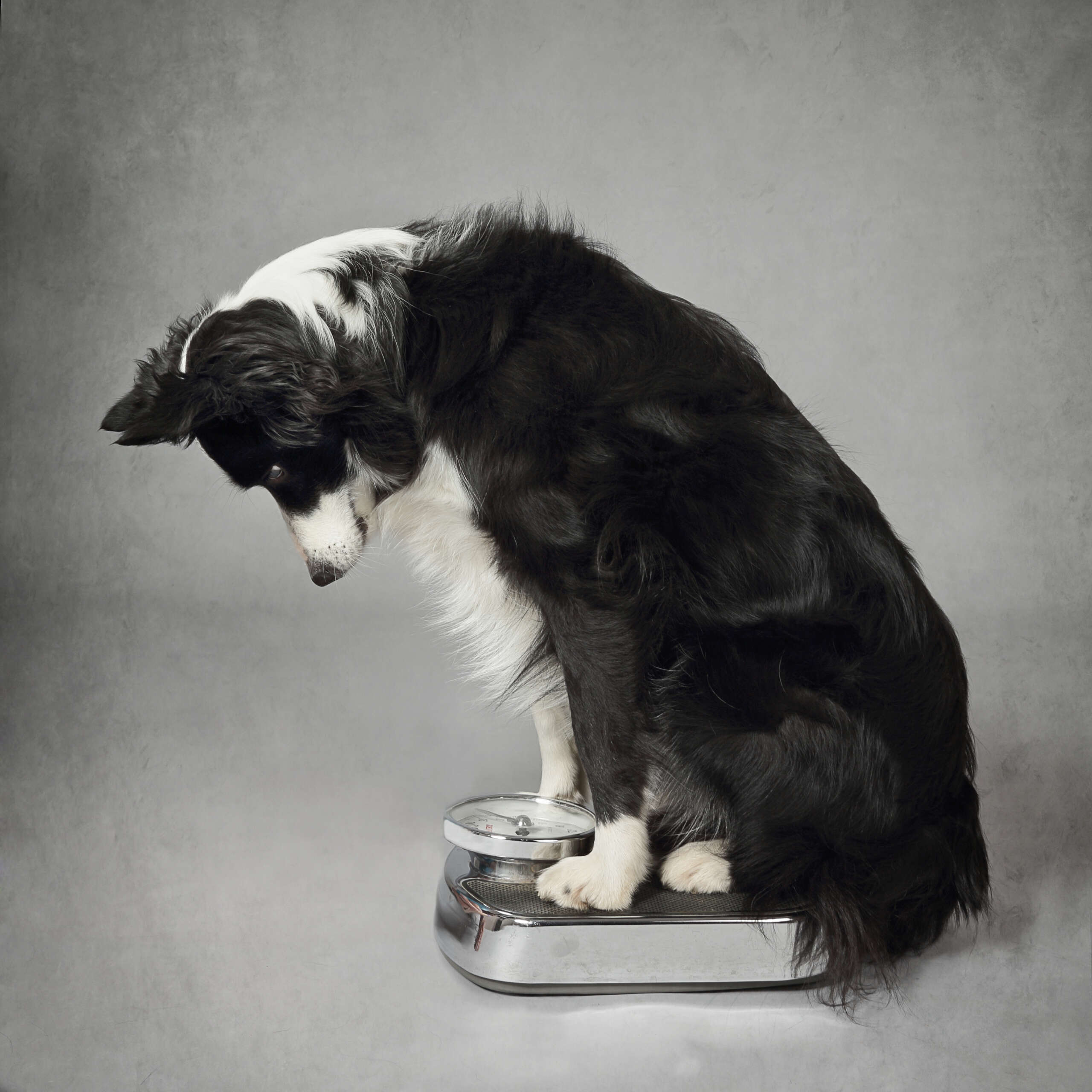
- Weigh in regularly: Monthly weigh-ins (yes, really!) help you catch sneaky weight gain early and make simple portion tweaks.
- Measure everything: Always use a measuring cup, not your “gut feel”, and follow feeding guidelines based on your pet’s size, age, and breed.
- Partner with your vet: Ask about your pet’s body condition score and get help creating a personalised feeding plan.
A Podcast Worth Paws-ing For
Dr. Carra explores this topic in depth on her popular podcast, Paws and Effect, where she busts myths, shares real-life stories, and offers practical veterinary and nutritional advice for everyday pet care. You can find it on all major platforms, so go have a listen:
YouTube: https://studio.youtube.com/channel/UC1jgV_jakzTlmtWxJY-e6Sw
Instagram: https://www.instagram.com/dr_carra/
Spotify: https://open.spotify.com/show/3v41NnTeqpNxodLs0wQbzF
Website: https://hillcrestvets.co.za/