
Share This Article
As pet parents, we strive to provide our cats and dogs with the best care possible. This includes ensuring they have a nutritious diet to support their health and well-being. However, one crucial aspect often overlooked is the proper storage of their food. “Ensuring your pet’s food is kept in a sealed container is vital for maintaining its freshness, preventing contamination, and preserving its nutritional value,” explains Marycke Ackhurst, Pet Behaviour Expert from Hill’s Pet Nutrition.
Below, Ackhurst delves into why this is essential and explores practical tips for effective pet food storage:
- Preserving freshness and nutritional value – Pet food contains essential nutrients to support your pet’s overall health. When exposed to air, light, or moisture, these nutrients can degrade over time, diminishing the food’s quality. Storing pet food in a sealed container helps maintain its freshness by limiting its exposure to environmental factors, ensuring your pet receives the full nutritional benefits of their meals.
- Preventing contamination – Rodents and insects can easily access open bags of food, potentially introducing harmful pathogens. Additionally, moisture can promote the growth of mould and bacteria, posing health risks to your pet. A sealed container acts as a barrier, keeping contaminants at bay and ensuring your pet’s food remains safe to consume.
- Avoiding staleness – Just like our food, pet food can become stale if not stored properly. Stale food loses its flavour and texture, making it less appealing to your pet. This can lead to reduced appetite and, consequently, nutritional deficiencies. By keeping pet food in a sealed container, you preserve its taste and consistency, encouraging your pet to eat their meals with enthusiasm.
Here are tips to ensure your pet’s food remains fresh, safe, and appealing:
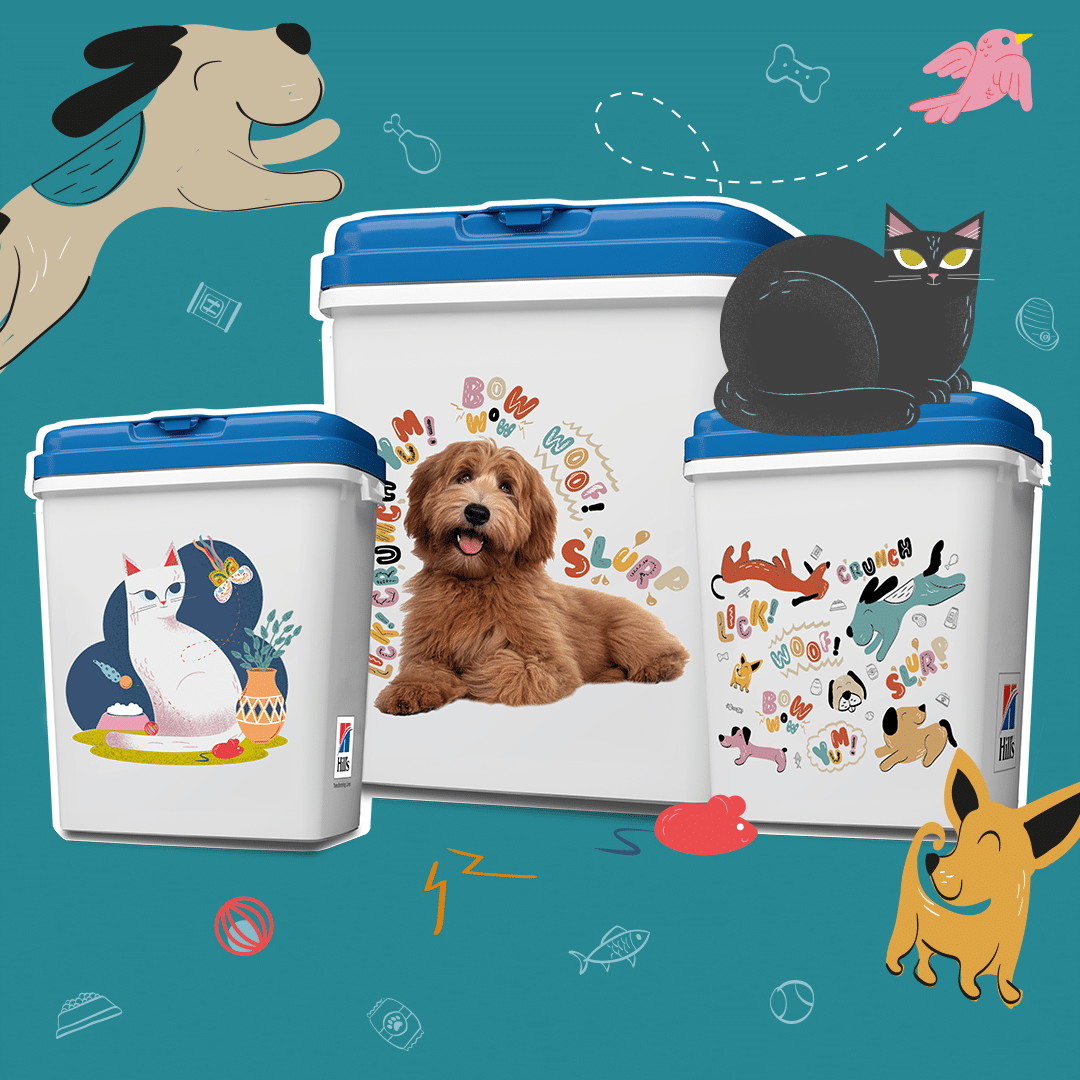
- A sealable Foodie Bin – One of the most effective ways to store pet food is by using a foodie bin that can be sealed. These bins are specifically designed to keep food fresh by creating an airtight seal that locks out moisture and air. Choose a bin made of high-quality, BPA-free plastic to ensure it’s safe for food storage. Additionally, opt for a bin with a secure lid to prevent curious pets from accessing the food. *From 1 July, Hill’s is offering pet parents a choice of three different sized Foodie Bins; one for cats, one for small dogs and one for larger dogs. Pet parents can receive a free Foodie Bin when they purchase two bags of Hill’s cat food between 2,5kg & 8kg, or two small bags of Hill’s dog food between 2kg & 6kg, or two large bags of Hill’s dog food between 10kg & 18kg.
- Keep food in its original packaging – For added protection, consider keeping your pet’s food in its original packaging and placing the entire bag into the sealed container. Pet food bags are typically designed to preserve freshness and contain important information such as expiration dates and ingredient lists. By placing the original packaging in a sealed bin, you add an extra layer of defence against contamination and spoilage.
- Store food in a cool, dry place – Temperature and humidity can significantly impact the quality of pet food. Store your sealed container in a cool, dry place, away from direct sunlight and heat sources. Avoid areas with high humidity, such as garages, as moisture can compromise the food’s integrity.
- Practice FIFO (First In, First Out – To ensure your pet always has access to fresh food, adopt the FIFO (First In, First Out) method. When adding new food to the container, place it underneath the older food. This way, you consistently use the oldest food first, minimising the risk of it becoming stale or expired.
- Clean containers regularly – Even with sealed containers, it’s essential to clean them regularly to prevent any residual buildup of oils or crumbs that could attract pests or harbour bacteria. Wash the container with warm, soapy water, rinse thoroughly, and allow it to dry completely before refilling it with fresh food.
* T’s & C’s apply
Visit the Hill’s website for more information