
Share This Article
As Pampers marks 30 years in South Africa, we have had the privilege of being a part of the South African family story. Caregiving in our country is rooted in Ubuntu, the understanding that ‘I am because we are.’
In conventional marketing narratives, parenthood is almost always portrayed as a two-person journey: a mother, a father, and a nursery. In South Africa, however, this narrative misses the mark entirely.
South African family structures are wonderfully diverse. According to national household statistics (Stats SA General Household Survey), mother-only households make up 45.5% of families, dual-parent households represent 31.4%, and father-only households account for 4%. Furthermore, 19% of children live in extended family households, and 40% grow up in multigenerational homes where gogos, aunts, uncles, and older siblings actively participate in daily caregiving.
In our communities, caring for a baby is rarely the work of one or two people in isolation. Behind almost every South African baby stands a vibrant, woven tapestry of gogos, mkhulus, aunts, uncles, sisters, neighbours, and trusted friends. Against the backdrop of economic pressures, long working hours, and multi-generational households, the “village” is not a romanticised cultural ideal : it is a daily practical necessity.
Yet, for decades, societal conversations around childcare have centered almost exclusively on a single caregiver, overlooking the entire ecosystem holding them up. As we celebrate Heritage Month, it is time for a fundamental narrative shift: from not only celebrating the strength of an individual parent to honouring the collective care that surrounds a baby during their most critical early years (0–2).
The Intersection of ancient tradition and modern neuroscience
The village is best defined not simply by a list of relatives, but through the quiet, hands-on realities of daily baby care. It is the Gogo stepping in during a midnight wake-up, the aunt helping with a nappy change before bedtime, the neighbour soothing a crying infant back to sleep, and the older sibling creating moments of developmental play and bonding.
Caregiving in South Africa is an oral artform and a learned behaviour passed down through quiet devotion. From a young age, we watch gogos soothe, aunts step in and neighbours keep watch. We absorb these lessons long before we realise we are carrying them, often passing them on through the universal language of song.
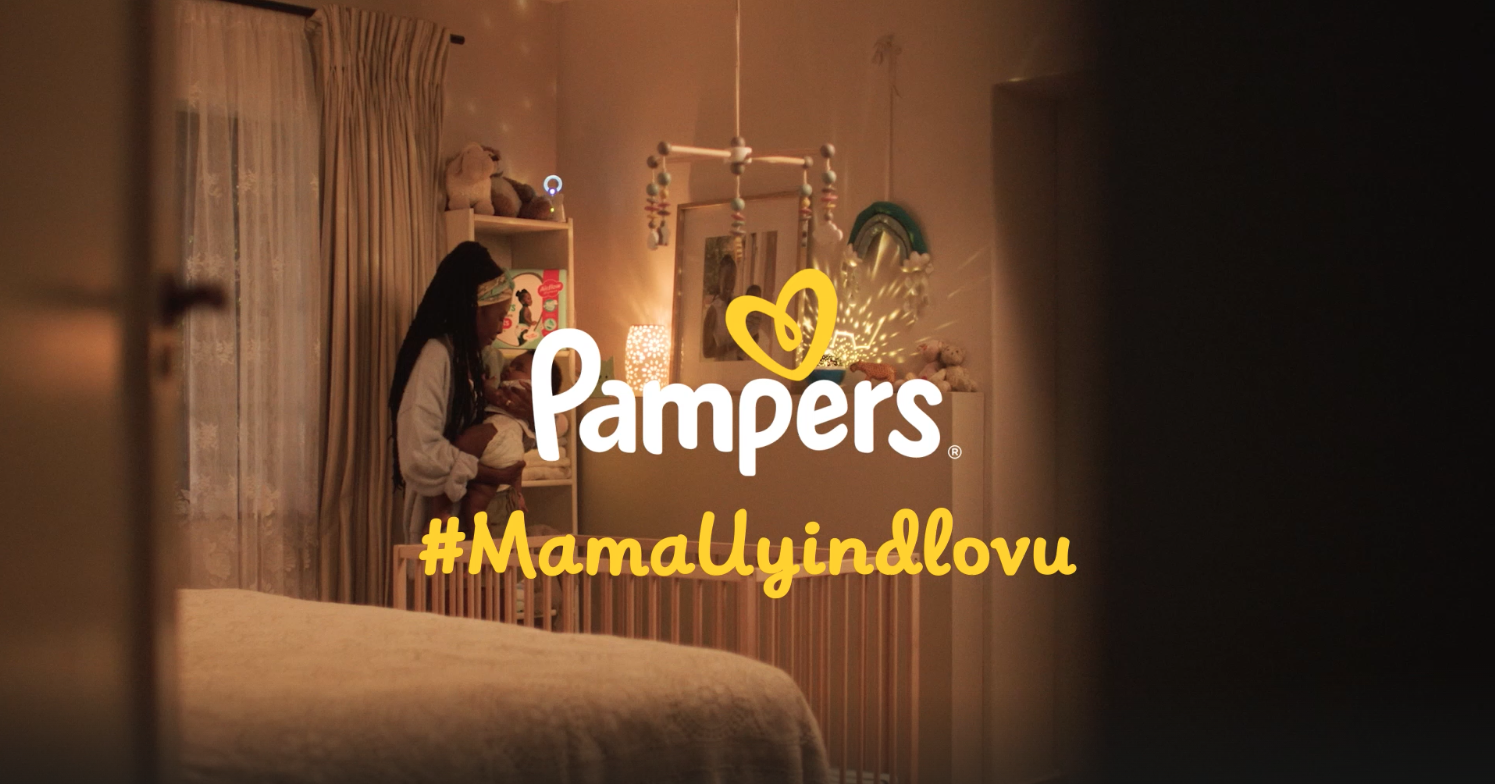
Long before modern developmental science confirmed that a baby begins processing sound in the womb, using familiar rhythms and maternal voices as anchors for emotional security, African traditions already understood this truth. Lullabies in our heritage have never been simple sleep aids. They are living stories, comforting reassurance, and our babies’ very first feeling of safety and belonging. This intersection of heritage, science, and collective care is the inspiration behind the unifying Pampers Lullaby, titled “Mama Uyindlovu”, translating to “Mama, you are an elephant”.
In Zulu praise tradition (izibongo), elephant imagery carries immense cultural weight. The elephant (Indlovu) represents unyielding fortitude, dignified stature and unwavering protective strength. By evoking Indlovu, the lullaby does not merely praise a biological mother; it pays homage to the collective, elephantine strength of every woman in the village.
The gogos, aunts, sisters, and neighbours whose quiet resilience shields and elevates our babies. When a gogo rocks a baby to a familiar melody, or an aunt hums a comforting tune while helping a baby stay dry and comfortable through the night, they engage in a sacred ritual of care. Pampers is proud to support these essential moments ensuring babies enjoy peaceful sleep, protected skin, and comfortable morning wake-ups so caregivers can focus on building neural pathways of trust and connection.
Beyond the single narrative: A call to corporate responsibility
If we truly want to support the healthy development of the next generation, institutions and brands must stop viewing caregivers through a narrow lens and show up where care actually happens. The care economy in South Africa rests on millions of unsung hands that rock the cradle every single day.
For thirty years, our privilege has been standing beside South African families. But looking ahead to the future, our commitment must extend to the entire ecosystem of care. Supporting healthy child development means innovating for and acknowledging everyone who shares the load, lightening the physical and mental burden for the aunt on shift, the grandmother holding down the household, and the neighbour stepping in.
Caregiving is rooted in Ubuntu: I am because we are. It is an unspoken pact that no one walks the journey of raising a child alone, they have always had Pampers with them to provide comfort, care, and protection every step of the way.
“We see you. You are not alone.”
For over 30 years, Pampers has stood beside South African families through every midnight nappy change, every post-bath cuddle, and every night spent settling a little one to sleep. Looking ahead, our commitment statement remains clear: to continue supporting our South African village for the next 30 years, ensuring every baby receives the dryness, comfort, and protection they need to thrive.
As South Africa reflects on its heritage, Pampers wants to broaden our expression of gratitude and ask our nation:
Who taught you how to care, and how can you pass that on?
Join our competition by heading over to Pampers social media to share your story of who taught you to care, celebrate your village, and stand a chance to win! To every gogo stepping up when parents are at work, to every aunt offering a soothing hand, to every neighbour keeping a watchful eye, and to every caregiver passing down the wisdom of Indlovu:
We see you. You are not alone. You have never been alone.
It is time our society honoured the full rhythm of the village. We start by saying thank you, as we continue supporting our South African village for the next 30 years.