
Share This Article
The choice to give a baby a dummy (also known as a pacifier or soother) is a very personal one. When it comes down to it, the choice is entirely yours.
Some parents don’t include a dummy in their baby’s routine and manage without one. But others (around two-thirds) do choose to use a dummy to soothe their baby when they’re unsettled or crying and find that a dummy satisfies their baby’s natural non-nutritive sucking reflex when they’re not feeding.
“Parents sometimes think they won’t use a dummy, but then change their mind when their baby arrives, and that’s ok!” says Khuliso Mapila from Tommee Tippee South Africa. “Remember to trust your parental instincts and don’t feel swayed or disheartened by the judgement of others.“
To help you decide, let’s run through when dummies can be introduced, some of the advantages and disadvantages of dummies, how you can introduce a dummy safely, as well as addressing some frequently asked questions.
What are the benefits of using a dummy?
Dummies can satisfy a baby’s natural sucking instincts when they’re not feeding, and many find sucking on a dummy very soothing when they’re distressed or trying to fall asleep. They can also provide relief during times of stress; for example, if you’re attending a medical appointment.
Finally, although more research is needed in this area and the exact correlation is unclear, there have been studies suggesting that dummy use alongside breastfeeding may reduce the risk of cot death, also known as sudden infant death syndrome or SIDS.
When is the best time to introduce a dummy?
If you decide that you’d like to give your baby a dummy, it’s best to wait until around 4-6 weeks after birth. That way, you both have time to settle into your feeding routine, and your baby has time to learn how to feed from your nipple or the teat of a bottle.
If you introduce a dummy before they are established with their feeding, there’s a chance that your baby could get confused between feeding and suckling, which may lead to feeding problems such as nipple confusion.
Are dummies safe for newborns?
Modern dummies are safe for newborns to use. They can easily be sterilised, and the mouth shield stops babies from choking on or swallowing the teat. Dummies are safe for newborns, but if you’re breastfeeding, it’s best to wait until your feeding routine is established, before you introduce a dummy.
How to get a baby to take a dummy?
It’s best to start introducing your baby to a dummy for the first time when you’re both relaxed and comfortable. Gently bring the dummy to their lips to encourage them to take it. It may help to offer them their dummy soon after they’ve finished a feed.
If your baby is bottle-fed, consider choosing a dummy from the same brand as the bottle, as the teats are often the same shape and size. Tommee Tippee’s new Breast-like Soother is soft to touch and barely-there, designed to look and feel like a breast. With a familiar shape and skin-like feel, it’s made to support your feeding journey, and specially designed to help reduce nipple confusion with continuous comfort and a natural latch.
“Some babies accept a dummy right away, others may take a little more time, and some never enjoy using a dummy.” says Mapila .
If your baby continually spits their dummy out, this is usually a sign that they don’t want to accept it. Never force your baby to accept a dummy as this will only cause more distress for you both.
Can my baby use a dummy while sleeping?
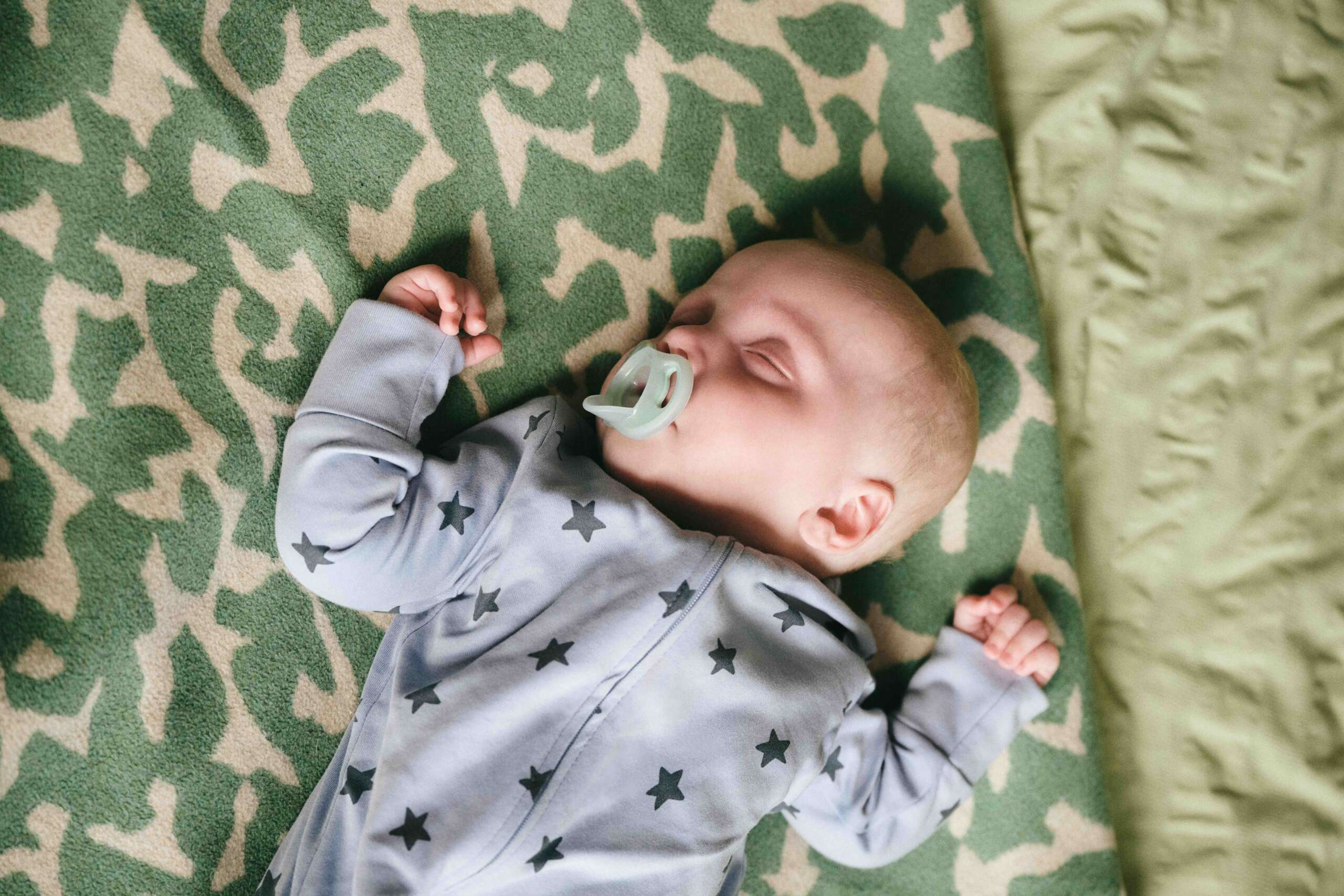
Yes, babies can have a dummy when sleeping. To help establish a regular sleep routine, you can offer your baby a dummy before you put them down to sleep (during the day or night) alongside following other safe sleep guidelines.
If their dummy falls out of your baby’s mouth while they’re asleep and they don’t wake up, there’s no need to put it back in. If they do wake up, they’ll soon let you know if they want it back again. The newly-launched Tommee Tippee Ultra-light StayPut Dummy is theirlightest one-piece silicone soother, designed to stay put for longer. With a symmetrical teat and shield, it comfortably fits baby’s face, any way up, helps them stay soothed for longer, and means you spend less time picking up dropped dummies.
Do dummies stunt speech development?
Using dummies doesn’t automatically stunt speech development, but excessive or prolonged use can have an impact.
Babies who use a dummy in moderation, especially outside of playtime or social interaction, usually develop speech just fine. But if a dummy is always in their mouth, especially during times when they’d normally babble, mimic sounds, or interact, it can limit those early opportunities to practice speech.
What helps:
–Limit dummy use during the day: especially when your baby is awake, playing, or trying to talk.
–Encourage vocal play: respond to their babbles, read together, and chat face-to-face.
Are dummies bad for baby’s teeth?
Using a dummy is not inherently bad for a baby’s teeth, but long-term or improper use can lead to dental issues.
In the early months, dummies can be soothing when used at sleep time. However, prolonged dummy use, especially past age 2 or 3, can affect the shape of the mouth or alignment of teeth. This is sometimes called “dummy teeth” or an open bite.
Most dental professionals recommend weaning off the dummy by around age 1–2 years old to avoid lasting impact on oral development.
Should I let my baby use a dummy or let them suck their thumb?
Research shows that using a dummy can prevent malocclusions (a misaligned bite) from occurring, whereas thumb sucking will go on for a prolonged period of time and can cause more complex dental problems. Therefore, overall, it’s much better to let your baby use a dummy that you can control the use of.
You got this
Ultimately, dummy usage is an individual choice for each family and each baby, and while they are a useful soothing tool, parents shouldtake their cues from their babies and trust their instincts to find what works best.
Tommee Tippee knows that becoming a parent is a life-changing, life-enhancing experience. For over 60 years they’ve been designing products that enhance parents’ intuitive abilities, and today, they’re still committed to engineering solutions to make caring for baby simpler. Your journey from “how to” to “know how” starts here – summed up in their motto of “You’ve got this. We’ve got you.” From bottle feeding and breast pumps to sterilising, sleep, weaning, and nappy disposal, Tommee Tippee products anticipate real problems with smart, thoughtful solutions that make caring for your baby easier and more enjoyable. Available at Baby City, Clicks and Takealot.