
Share This Article
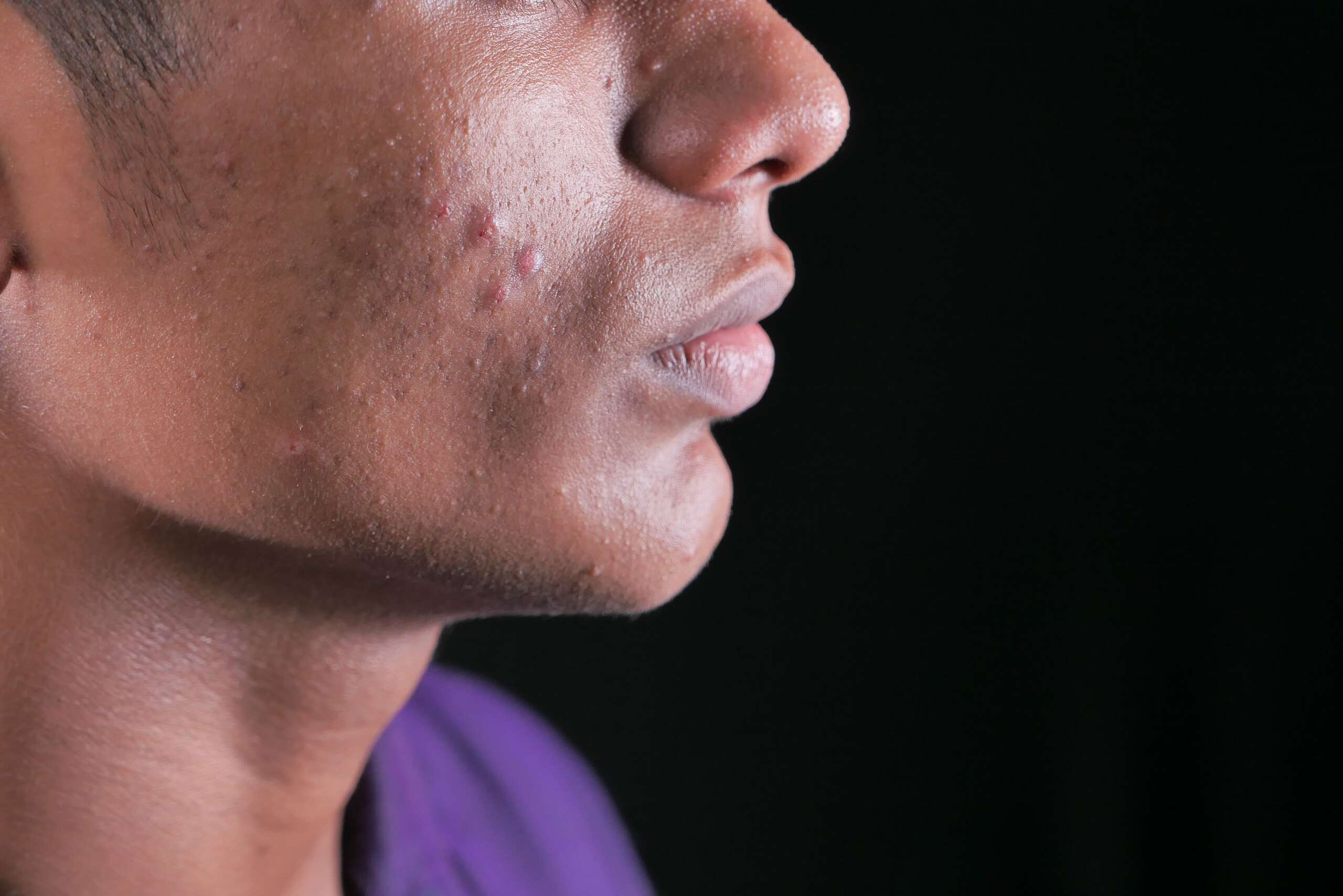
September 1st is Acne Positivity Day, a day dedicated to breaking the stigma around acne, challenging unrealistic beauty standards, and promoting education on skin breakouts.
Millions of people around the world experience acne at some point in their lives, and those who have lived through it know there isn’t always a simple solution for treating this skin condition.
Acne, or breakouts, appear when pores fill with dead skin cells, oil, or bacteria. This can lead to bump-like pimples, blackheads, or whiteheads. Acne may appear on the face, neck, back, shoulders or buttocks, and has various triggers, including hormonal fluctuations, skin dehydration, stress, genetics and oil-based skincare products.
Unfortunately, the internet is filled with misinformation on acne. Dr Judey Pretorius – a Biomedical Scientist and founder of Biomedical Emporium Skincare – has debunked some of the most prevalent myths currently doing the rounds:
Myth: Acne forms on dirty skin and is a result of bad hygiene
This myth has been around for decades, and it has led to stigma around a skin condition that already hurts people’s confidence and self-esteem. Acne is not caused by bad hygiene. It is a medical skin condition driven by a variety of different factors. Sometimes people with acne scrub their skin or over-wash it, hoping it will lead to clearer skin, but this can destroy the skin’s barrier, cause sensitivity, and make breakouts worse.
Myth: Chocolate and fast food causes acne
There is a link between diet and acne, and for some people, certain foods like refined carbs or dairy products can trigger flare-ups. However, the overall impact of diet varies from person to person, and indulging in unhealthy food will not necessarily lead to acne. To maintain a healthy complexion and protect the body, experts suggest limiting processed foods and sugar, and eating a diet rich in lean protein, fresh fruit and vegetables and fibre.
Myth: Sun tanning clears up acne
When your skin darkens in the sun, the tan may temporarily hide the redness of a breakout, but excessive sun exposure will do your acne more harm than good. UV rays dry out our skin, prompting it to produce more oil, which can lead to clogged pores and more breakouts. Sun exposure also darkens post-acne blemishes, resulting in stubborn scarring. Always apply an SPF product and avoid the sun during peak hours.
Myth: Only teenagers get acne
Unfortunately, acne affects men and women of all ages. Adult acne is becoming more and more prevalent, and many people struggle with breakouts well into their 30s, 40s, 50s and beyond. Women going through menopause, for example, may experience acne in their 40s and 50s because of hormonal fluctuations. Sometimes adult acne is triggered by stress or trauma, medication, pregnancy, or lifestyle factors.
Myth: Wearing makeup causes acne
There is some truth to this statement, but it’s important to remember that not all makeup is created equal. Poorly formulated foundations heavy in oil or silicones may trap debris, clog pores, and lead to breakouts, but plenty of non-comedogenic options are available. These are specially designed not to clog pores and are a great option for oily and combination skin types. To further prevent breakouts, thoroughly remove your makeup at night, and never, ever go to bed with makeup on.
Caring for acne-prone skin
Each acne case is unique, and various factors come into play when determining treatment. It’s important to identify the cause of your acne. Sometimes, a simple skincare regimen change makes all the difference, but other times treatment may involve medication or lifestyle changes. Talk to your doctor or skincare therapist to determine what’s right for you.

Biomedical Emporium’s Helix Range is a targeted four-step system designed to support and heal acne-prone skin. Powered by salicylic acid, niacinamide, zinc oxide, and soothing botanicals, the Helix Range helps reduce breakouts, calm inflammation, and support a healthy skin barrier. It’s perfect for daily AM/PM use to keep acne-prone skin clear, balanced, and confident.
For more information, visit www.biomedicalemporium.com.