
Share This Article
Poor daily habits can negatively impact your overall health and wellbeing
Hypertension is a significant health issue in South Africa, with a high prevalence of 27,5% among women and 20,4% among men aged 24 to 40 years[1]. Alarmingly, there is a critical lack of awareness and knowledge about hypertension among this age group.
Almost half (46%) of adults with hypertension do not even know they have the condition, while only 42% of those diagnosed are receiving treatment[2].
While work-related stress, often the assumed culprit, can be significantly linked to increased blood pressure and the development of hypertension, the true danger usually lies in unexpected daily habits that can escalate the issue.
Understanding the behaviours that contribute to your risk can prevent an increasingly worrying trend from becoming your reality. The equation is not as simple as managing stress or improving nutrition.
Here are some of the unrelated habits that might be pushing your blood pressure up and how you can manage them:
Lone-ranger mentality
Social isolation and loneliness can be as damaging to heart health as smoking[3]. Even in busy offices, people feel disconnected. Long-term loneliness is linked to higher blood pressure and more severe heart health outcomes, or stroke.
As busy as you may be, prioritise time for connections.
- Make time for non-work chats, even brief ones with colleagues – communication makes us more resilient to stress factors in the long run.[4]
- Say yes to the team lunch, coffee break, or that walking/running club.
- Use practical tools to improve areas like eating, sleeping, moving, breathing, and most importantly, connecting with others.
Sleep is your BP’s reset button
Poor sleep doesn’t just make you tired, it disrupts how your body manages stress, regulates blood sugar, and wards off inflammation. Each of these can contribute to higher blood pressure, and a higher likelihood of unhealthy choices – such as indulging in unhealthy foods, e.g., fried food, and sugary drinks, which in turn has a negative impact on your blood pressure, and restful sleep.
- Create a winding-down ritual that tells your body it’s time to sleep. This could include lighting an aromatic candle and enjoying a facial massage just before bedtime[5].
- Stick to a consistent sleep schedule. Research shows that consistent sleep is as, if not more important than getting 8 hours of sleep.[6] Aim to go to bed and wake up at the same time each day, even on weekends.
- Keep track of your sleep patterns and quality with a wearable device. Or tap into features like thisRecharge Scan, designed to help you identify the early signs of stress. A quick finger scan will give you a snapshot of whether your body is under strain and if it needs more mental and physical recovery and rest to face challenges in the day.
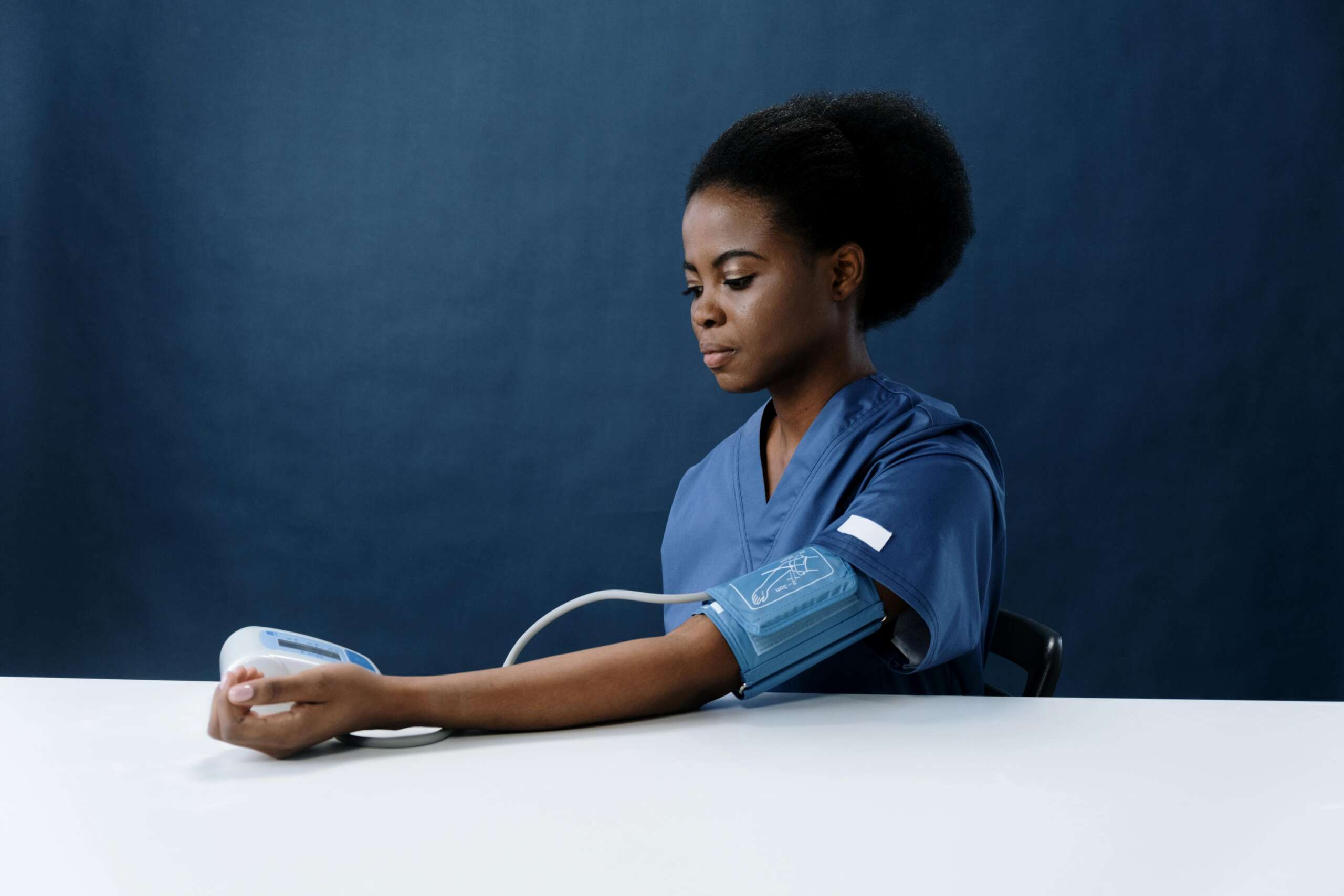
High blood pressure often has no symptoms, which makes regular testing non-negotiable for better health management. Knowing your health is important and monitoring is a vital and easy practical step for achieving complete health and wellbeing.
Start from where you are today, then use every day as a chance to create more for long-term wellbeing.
For more information, visit the Multiply website and get rewarded from day one for every step you take towards better health.