
Share This Article
Imagine having to think about your blood glucose levels every time you eat, exercise, go to sleep or even experience a stressful day. For someone living with Type 1 diabetes, this isn’t an occasional consideration, it’s part of everyday life. Managing the condition means making hundreds of decisions, often without knowing exactly what is happening inside your body. But advances in technology are changing that, giving people a clearer picture of their glucose levels and, importantly, a little more freedom to get on with life.
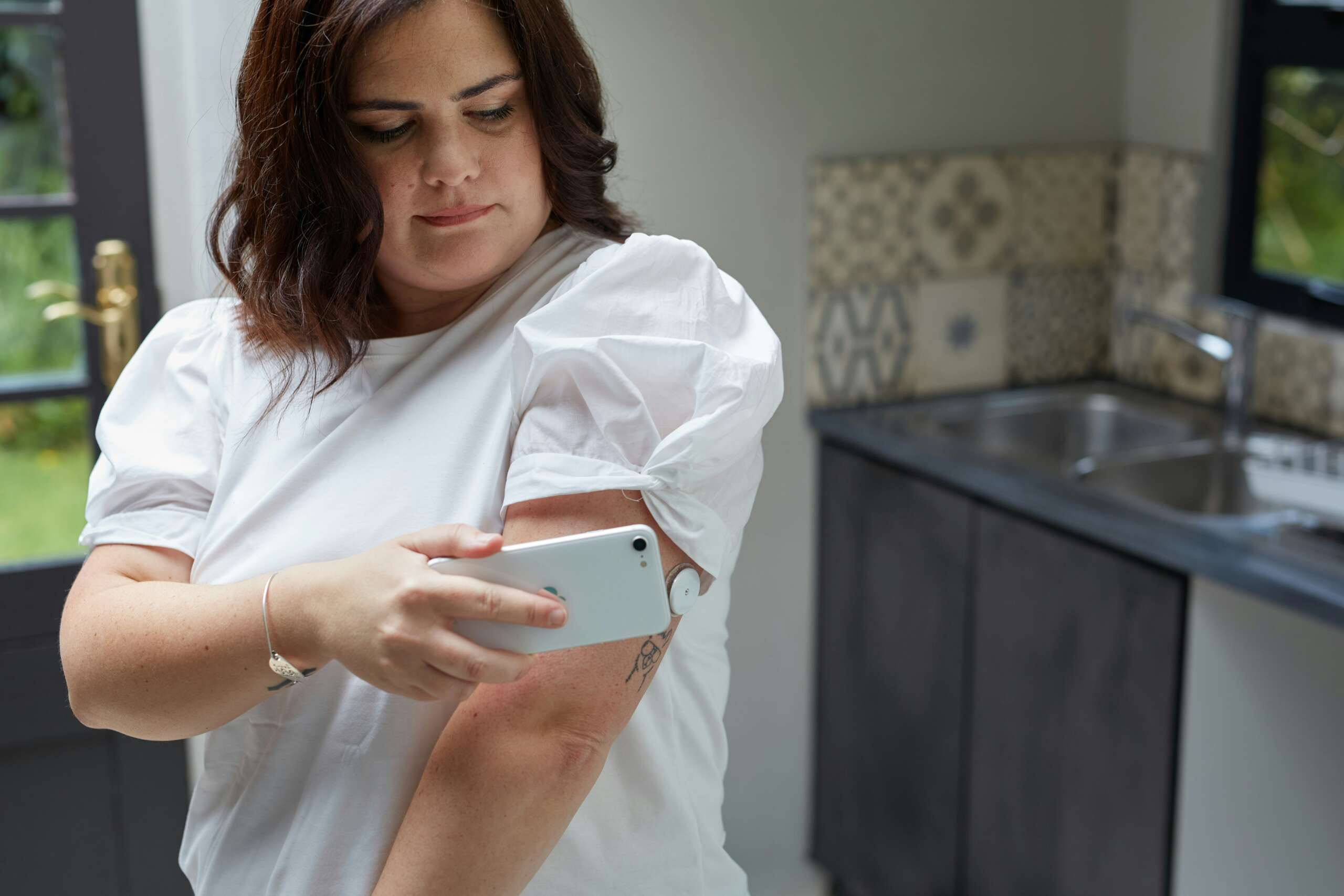
Continuous glucose monitoring (CGM) is one of the most significant developments in diabetes management, yet many South Africans are still unfamiliar with the technology. Unlike a finger-prick test, which provides a single reading at a particular moment, a CGM device continuously tracks glucose levels throughout the day and night. A small sensor, usually worn on the back of the upper arm, measures glucose in the fluid just beneath the skin and sends readings to a smartphone or compatible device.
Instead of simply knowing what your glucose level was when you last tested, you can see where it is now, where it is heading and how quickly it is changing. Depending on the system, alerts can also warn users when glucose levels become too high or too low.
For people with Type 1 diabetes, this this can make a world of difference. Food, exercise, stress, illness and sleep can all influence glucose levels, sometimes in ways that are difficult to predict. CGM helps people recognise patterns and better understand how their bodies respond to everyday activities.
For Imke Erasmus, who was diagnosed with Type 1 diabetes at just nine years old, the difference has been life-changing. Having spent years relying on finger-prick testing, she understands the constant attention required to manage the condition. Using CGM technology has changed that experience, allowing her to spend less time wondering what her glucose levels are doing and more time focusing on life beyond diabetes.
“Living with Type 1 diabetes means you can never completely switch off from managing your condition. You are always thinking about what you have eaten, how much insulin you need and what your glucose levels might be doing. Continuous monitoring has made a huge difference. I still need to be aware and take responsibility for my diabetes, but it has taken away some of the constant pressure and given me more freedom to focus on living my life,” says Imke.
Technology isn’t standing still. Some newer CGM systems incorporate artificial intelligence (AI) to analyse glucose trends, identify patterns and provide personalised insights. By considering information such as meals, insulin and exercise, these applications can help users better understand what influences their glucose levels. Predictive alerts can also highlight when readings suggest a potential low may be approaching.
In South Africa, affordability remains a significant barrier to accessing this technology. The T1D Index estimates that approximately 32,253 people were living with Type 1 diabetes in the country in 2025. However, many still rely on traditional monitoring methods because of the cost of newer devices.
One option available locally is the SYAI Ultra, distributed through Ethitech. The SYAI sensor is smaller than a R1 coin and lasts up to 14 days. It sends glucose readings to a smartphone app via Bluetooth every minute and does not require routine finger-prick calibration. The SYAI app also offers AI-powered insights and personalised alerts. Two sensors cost R1,990, providing 28 days of monitoring.
CGM does not replace insulin, medical advice or professional healthcare support. What it does offer is something incredibly valuable: information. And when you’re living with a condition that requires constant decisions, having more information can mean less uncertainty and greater confidence. Technology cannot take away Type 1 diabetes, but it can change how people experience it, and reduce some of the uncertainty that comes with living with it. This allows people to spend less time worrying about their condition and more time enjoying their lives.
For more information, visit https://syaisync.co.za/.