
Share This Article
For parents, introducing a baby to their first foods can feel like a big milestone. There are new flavours, unfamiliar textures, enthusiastic (and sometimes less enthusiastic) reactions – and plenty of mess along the way. But while nutrition is important, mealtimes are also an opportunity for babies to learn, explore and gradually become more independent.
Complementary foods are generally introduced at around six months, when babies’ nutritional needs begin to exceed what breast milk alone provides. The World Health Organization recommends starting with small amounts and gradually increasing food variety, texture and frequency as a baby grows, while continuing breastfeeding where appropriate.
For parents preparing to start the weaning journey, a little planning can make the transition easier and help turn mealtimes into an enjoyable part of the day.
Start slowly and follow baby’s cues
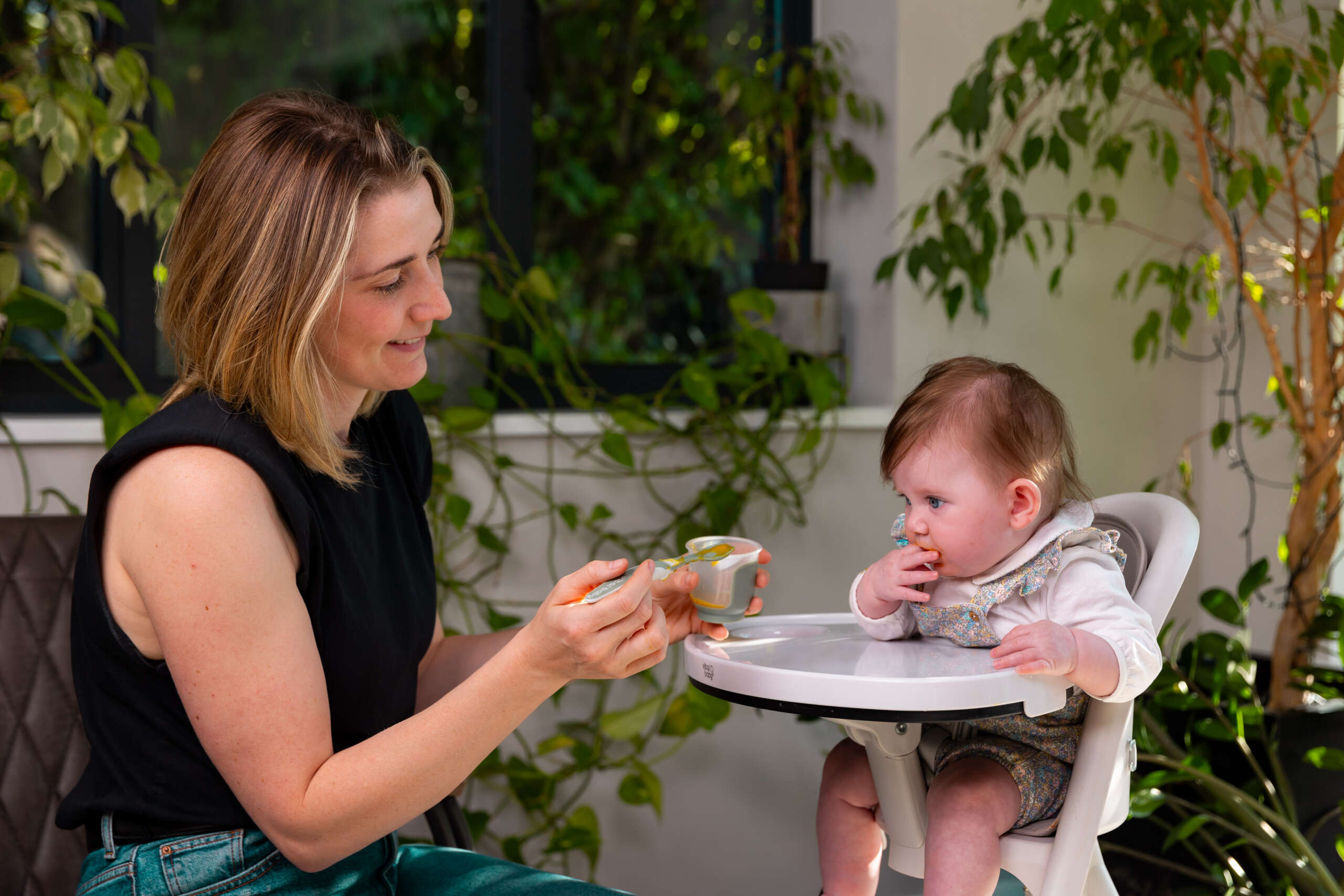
Start with small amounts and give baby time to become familiar with eating from a spoon and experiencing new tastes and textures.Responsive feeding is an important part of this process. Rather than focusing on how much food ends up being eaten, pay attention to signs that baby is hungry – such as lip smacking or sucking on hands – and full, such as closing their mouths or turning away from the food. Encourage them gently but avoid pressuring them to finish everything. Babies may need repeated exposure to a new food before they accept it.
“Starting solids is a learning experience for both baby and parent,” says Sr Londe, independent midwife and Vital Baby’s trusted advisor. “It’s perfectly normal for babies to make faces, spit food out or play with it in the beginning. The aim is to create a calm environment where they can gradually learn what food is, how it feels, and how to eat it.”
Make mealtimes predictable
A simple routine can help babies understand what to expect. Try to offer meals around similar times each day, with baby comfortably seated and distractions kept to a minimum.
However, a consistent routine doesn’t have to mean a rigid schedule. The idea is to create familiar cues: wash hands, sit down, offer food, eat together where possible and finish with a clean-up.
Eating as a family can also make meals more engaging. Babies learn by watching the people around them, so seeing parents and siblings eating a variety of foods can help make mealtimes a social experience rather than simply something that needs to be done.
Let baby get involved
Once babies become more confident, give them safe opportunities to participate. Holding a spoon, touching food, attempting to pick up suitable pieces and drinking from a cup are all ways to develop coordination and independence.
Mess is part of the learning process. A wipeable mat under the highchair, a bib and a relaxed attitude can make parents less worried about spills and more comfortable allowing baby to explore.
As babies develop, food textures should gradually become more varied and appropriate to their abilities. By around eight months, many babies can begin managing suitable finger foods, while by 12 months most can eat modified versions of family foods, provided these are suitable and safe. Foods that are a choking risk, such as whole grapes or raw pieces of hard vegetables, should be avoided or prepared appropriately.
Keep food varied
First foods don’t need to be complicated. Parents can gradually introduce a variety of vegetables, fruit, grains and nutrient-rich foods, including appropriate sources of protein such as eggs, meat, fish, or legumes.
Rather than introducing a long list of foods at once, offering different flavours and textures over time allows babies to become familiar with a wider range of foods.
It can also help to think beyond individual meals. If the family is having vegetables, for example, some can be prepared in a baby-friendly texture and consistency, reducing the need to prepare a completely separate meal.
Make preparation easier
Having suitable equipment on hand can take some of the stress out of the transition. The Vital Baby Start Weaning Kits provide practical essentials for getting started, helping parents introduce spoon-feeding and make early meals easier to manage.
For parents preparing food in advance, Vital Baby Store & Wean Pots are useful for portioning and storing homemade baby food. Preparing a few portions ahead of time can make busy mealtimes more manageable and reduce the temptation to rely on whatever is quickest when everyone is hungry.
As baby becomes more independent with drinking, the Vital Baby Earth Smart Easy Sipper Cups provide a practical way to introduce cup drinking as part of the mealtime routine.
For families on the move, the Infantino Reusable Squeeze Pouch offers a convenient option for taking suitable homemade foods or snacks along when travelling or heading out. Reusable feeding options can also help parents avoid having to depend on individually packaged foods every time they leave the house.
Don’t underestimate the power of sitting together
Mealtimes are about more than nutrition. Talking to baby, making eye contact and giving them time to explore food can turn eating into an important social and developmental experience. WHO guidance encourages caregivers to feed slowly and patiently, talk to children during meals and help them learn to feed themselves.
“Parents can sometimes feel that they need to get everything right from the very first spoonful,” adds Sr Londe. “But babies are learning a completely new skill. A relaxed routine, appropriate foods, patience and plenty of encouragement can make the experience much more enjoyable for everyone.”
Ultimately, the best first-food routine is one that works for the individual family. Keep it simple, make room for exploration, follow baby’s hunger and fullness cues, and remember that a little mess is often a sign that learning is taking place.
Vital Baby is a family-run business with over 45 years of experience in the baby industry. Their mission is to create products that make family time effortless and enjoyable for parents. The Vital Baby range, now including biodegradable and recyclable EarthSmart products, is 100% BPA-free and covers every stage of your baby’s development, from feeding and weaning, to hygiene and soothing. Explore the range online at Vital Baby® (vitalbabyshop.co.za) and Amazon, or find at Clicks, Dischem, and selected Woolworths.