The spa industry is entering a new era—one that calls for a meaningful pivot in how wellness experiences are designed and delivered. While relaxation and beauty will always remain part of the spa offering, today's guest is seeking something deeper. Increasingly, people are looking for treatments that offer more than a temporary escape; they want…
One of the most powerful shifts happening within the spa industry is the move towards inclusion—both in how we treat clients and how we lead our teams.
In the treatment room, inclusion means inviting the client into the process. Rather than delivering a silent, one-directional experience, the therapist engages the client in a conversation of awareness.…
The definition of spa and wellness is expanding, and with it, the role of the therapist is evolving. No longer limited to touch alone, today's practitioners have access to a wide range of tools that support deeper and more lasting change within the body.
Modalities such as breathwork, sound therapy, journalling, heart-centred practices, essential oils, hot–cold…
The spa industry has long relied on structured protocols and textbook approaches to treatment. These systems have provided a strong foundation, ensuring consistency and professionalism across the field. However, as client needs evolve, it has become clear that structure alone is no longer enough.
We are working with human beings, not checklists.
Two clients may arrive with…
When a client walks into your treatment room, something meaningful has already taken place. They have chosen you. In a world where choice is abundant, this decision carries weight. It reflects a willingness to be vulnerable, to receive, and to believe that you can support their wellbeing.
The spa industry is shifting because of this very…
Restoring nervous system rhythm is one of the most effective — and often misunderstood — ways to support the ADHD brain. Not by suppressing energy or "calming someone down," but by giving the brain predictable, embodied timing so attention, emotion, and movement can organise themselves.
Here's how it works, in brain–body language rather than labels.
1. ADHD is often…
Infinity symbol vs Sewing-machine metaphor is actually a very accurate way of describing nervous system quality, not just capacity.
Here's what's happening, in clear body-based language, with a touch of poetry and physiology.
1. Cold → Heat → Cold: training flexibility, not force
When you move between an ice bath and a sauna, you are not stressing the body…
Authentic validation directly affects the body. When we feel truly seen and heard, stress hormones like cortisol drop, while calming hormones such as oxytocin and serotonin rise. Breath deepens, muscles release tension, and the vagus nerve strengthens, improving heart–brain–gut communication. This biological reset moves the body out of survival mode, supports emotional balance, and allows…
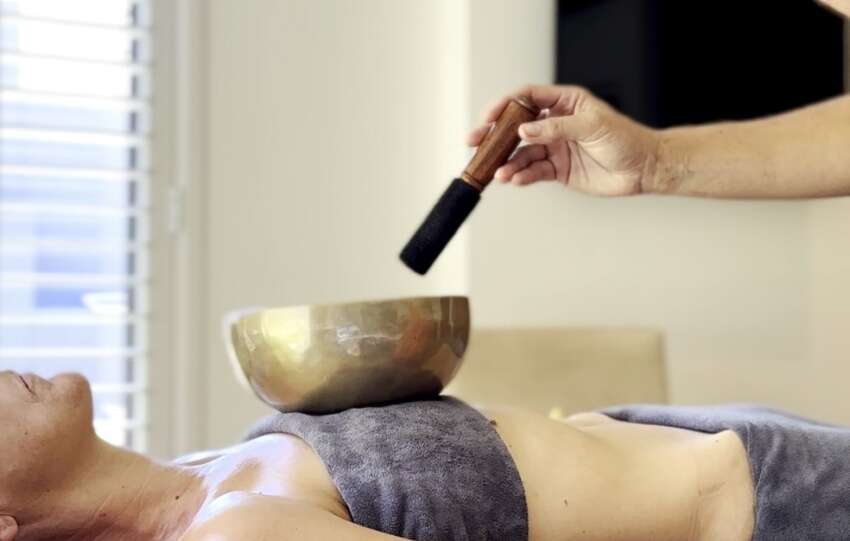
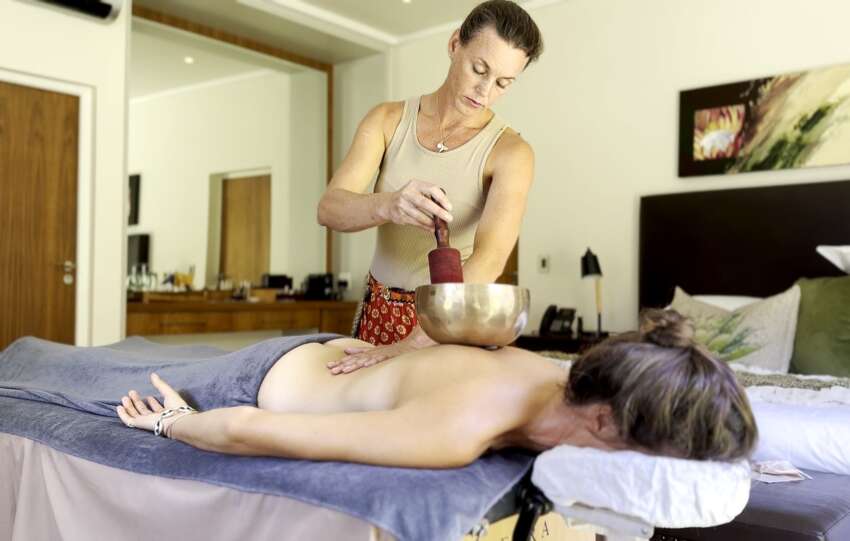
Low, gentle sound vibration on the sternum helps the body shift into a calm, regulated state. The vibration stimulates the vagus nerve, which supports steady breathing, a calmer heart rate, and a sense of safety in the body. As the sound moves through the chest, it helps soften tight tissues and release held tension, allowing…
Mitochondria are exquisitely sensitive to nervous system rhythm. In regulated states, breathing is slow, circulation is efficient, and oxygen delivery is optimal — ideal for ATP production. In dysregulated states, shallow breathing, tension, and inflammation reduce mitochondrial output. Chronic stress teaches mitochondria to prioritise survival rather than energy abundance.
Workable solutions: Support rhythm daily through slow breathing,…