

Share This Article
As winter starts creeping in and the temperatures begin to drop, many may notice an unwelcomed twinge in their joints. This seasonal discomfort can range from mild stiffness to persistent aches, interfering with daily routines and exercise regimens. However, winter joint pain doesn’t have to mean hitting pause on your active life.
“Many people who experience joint pain during winter, take this as an opportunity to hibernate and spend more time relaxing on the couch than working out in the Pilates studio,” comments Selvan Naicker, Brand Manager for OsteoEze®. “But unfortunately for those who feel the need to stay indoors during winter, it is possible to give your joints the attention they need to keep moving during the cold.”
Why do your joints feel worse during the colder months? Well, several factors can contribute to the increase of joint pain during colder months, such as:
- Decreases in barometric pressure during winter can cause tissues in the joints to expand, leading to increased pain and stiffness.
- In response to cold temperatures, the body conserves heat by directing blood flow towards vital organs, reducing circulation to extremities. This can result in stiffer muscles and joints, amplifying discomfort.
- Colder temperatures may increase the thickness of synovial fluid, the lubricant in your joints, causing them to become stiffer and less mobile.
- Shorter days and colder weather often lead to reduced physical activity. This decrease in movement can cause muscle weakness and joint stiffness, creating a cycle of discomfort that discourages exercise, further exacerbating joint issues.
To avoid the adverse effects of winter on your joints, Naicker suggests different strategies to keep your body moving even though the weather outside is suggesting you should rather stay in bed:
- Engage in regular, low-impact exercises such as walking, swimming, or yoga to maintain joint flexibility and muscle strength. Indoor activities can be particularly beneficial during colder months, so there is no excuse.
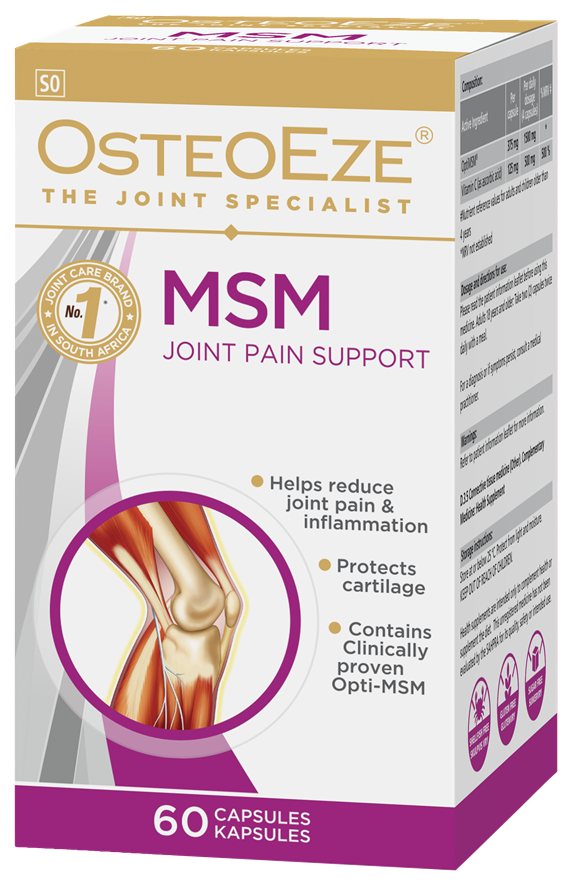
- Adding a high-quality joint supplement to your daily routine can help alleviate discomfort. OsteoEze® MSM with OptiMSM® is a trusted choice for joint health and mobility. OptiMSM® provides sulphur, which supports joint cartilage and connective tissues, helping to reduce inflammation and improve flexibility.
- Wear layered clothing, gloves, and warm socks to help keep your body heat and protect joints from the cold. Applying heat to affected joints, such as using heating pads or warm baths, can also alleviate pain and stiffness.
- Reduce excess weight to decrease stress on weight-bearing joints, such as the knees and hips, potentially alleviating pain associated with osteoarthritis.
- If joint pain persists or worsens, it is advisable to consult a physician.
While winter presents challenges for joint health, it’s not a reason to forgo exercise. Skipping workouts can lead to increased stiffness, reduced flexibility, and even greater pain in the long run.
“Keeping active during winter is the best thing you can do for your joints,” explains Naicker. Whether it’s hitting the gym, following an at-home workout, or simply going for a walk around the block—your joints will thank you for staying in motion.