
Share This Article
There’s a certain kind of excitement that builds when you’re training for a big race. Whether it’s your first 5km, a return to the Comrades’ starting line or a new challenge on the bike, the focus is usually on pace, distance, and discipline. But somewhere between the early morning runs and long weekend sessions, there’s one small, often underestimated factor that can quietly undo all that hard work: muscle cramps.
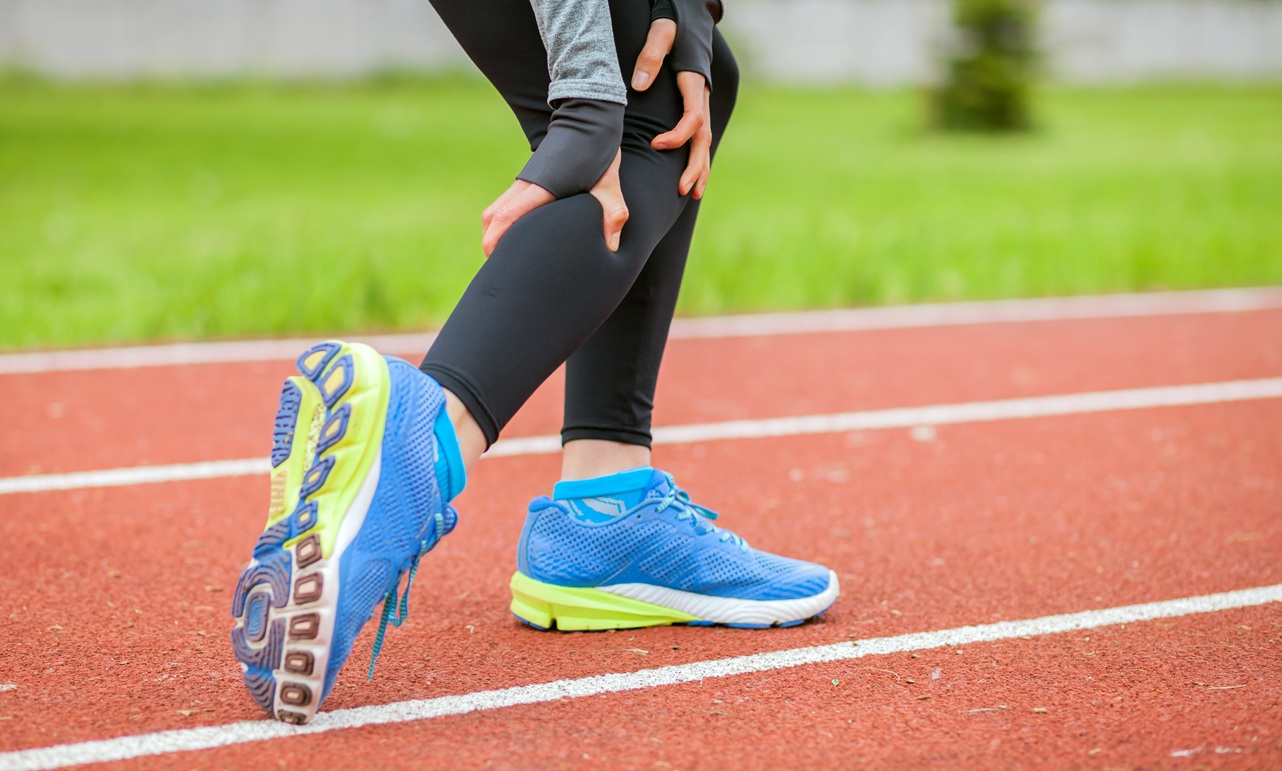
Selvan Naicker, Brand Manager for CrampEase®, explains that muscle cramps can arrive without warning. “One minute you’re in rhythm, feeling strong and in control, and the next, a sharp, involuntary contraction in your calf or hamstring stops you in your tracks. It’s frustrating, especially when you’ve put in the hours and done ‘everything right’. The truth is that cramps aren’t always as straightforward as we’d like them to be.”
At their core, muscle cramps are sudden, painful contractions that can happen during or after exercise. But what makes muscle cramps particularly tricky is that there is not one single, clear-cut cause. For some, it might happen late into a race when fatigue sets in. For others, it can strike despite feeling well-prepared and properly hydrated.
Sports research continues to point to a combination of factors rather than one simple trigger. Fluid loss plays a role, but it’s not just about water. When you sweat, you’re losing essential minerals such as sodium, potassium, and magnesium – electrolytes that help regulate muscle function. Simply replacing fluids with water can sometimes dilute these minerals even further, which may contribute to cramping rather than prevent it.
Many athletes are becoming more mindful of how they hydrate. Naicker attributes it to drinking smarter and not drinking more. Replenishing electrolytes alongside fluids can help support muscle function, especially during longer or more intense sessions. Incorporating a supplement such as CrampEase®, containing essential minerals magnesium, sodium, potassium and calcium, can help to restore key minerals and become part of a hydrating routine, particularly in the lead-up to race day.
Hydration is only one piece of the puzzle. Another overlooked contributor to cramps is fatigue. When muscles are pushed beyond what they’re conditioned for, they’re far more likely to misfire. This often happens when training intensity increases too quickly, when race pace isn’t properly practised or when strength work is neglected.
Building resilience in your muscles takes time. Gradually increasing mileage, including sessions that mimic race conditions, and committing to strength training, especially for the legs, can make a noticeable difference. Equally important are the quieter parts of training that are easy to skip when life gets busy: proper warm-ups, stretching, and recovery. These moments prepare your muscles for the work ahead and help prevent the kind of tightness that can lead to cramping.
What becomes clear over time is that muscle cramps are often your body’s way of signalling that something is out of balance. The good news is that cramps are manageable. “When you start paying attention to what’s happening behind the scenes – how you’re fuelling, how you’re training and how well you’re recovering – you give yourself a far better chance of avoiding them altogether,” explains Naicker.
So, as race day approaches, it’s worth shifting your focus just a little. Beyond the kilometres logged and the pace targets hit, there’s a quieter layer of preparation that can make all the difference. Because sometimes, the line between finishing strong and hitting the wall isn’t about fitness alone, it’s about how well you’ve supported your body along the way.
This unregistered medicine has not been evaluated by the SAHPRA for its quality, safety or intended use. Nativa (Pty) Ltd.www.nativa.co.za. 260 Cradock Avenue, Lyttelton, Centurion, 0157, Gauteng, South Africa. Customer Care Tel Number: +27 860 628 482. Customer Care e-mail: health@nativa.co.za.